

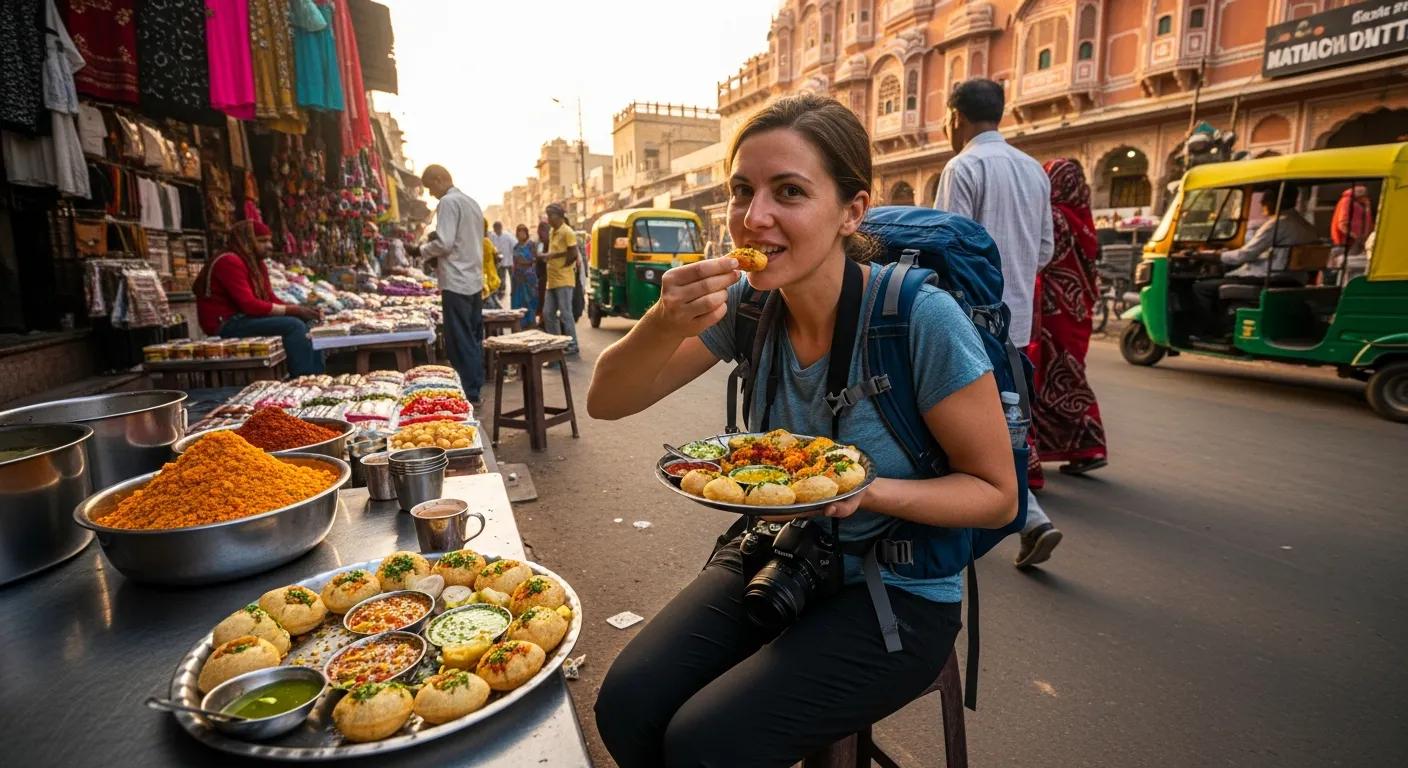
Delhi Belly Survival Guide: Preventing Traveler’s Diarrhea in India’s Golden Triangle
Delhi Belly Survival Guide: Practical Prevention and Travel Health Tips for Traveler’s Diarrhea in India’s Golden Triangle
Visiting India’s Golden Triangle is unforgettable: vibrant markets, historic sites, and incredible food. Many travelers, however, encounter “Delhi Belly,” a common form of traveler’s diarrhea that can derail plans. This guide provides clear, practical prevention steps and travel-health tips so you can stay well on the road. It explains what causes Delhi Belly, how it usually presents, and simple, effective ways to protect yourself, including the role of pre-travel health consultations and safe food and water habits.
Traveler’s diarrhea is a familiar risk for international visitors and can interrupt even carefully planned trips.
Traveler’s Diarrhea: Prevention, Treatment & Impact
Travelers’ diarrhea is the most frequent illness affecting people traveling to developing regions. It affects millions of international travelers each year and can quickly disrupt itineraries. This review updates the best practices for evaluating, diagnosing, treating, and preventing traveler’s diarrhea.
Travelers’ diarrhea: a clinical review, 2019
What is Delhi Belly, and Why Does it Happen So Often in the Golden Triangle?
“Delhi Belly – like Montezuma’s revenge – is one of the many local names for traveler’s diarrhea, a gastrointestinal upset marked by loose, frequent stools. It’s common among visitors to India’s Golden Triangle because travelers encounter unfamiliar bacteria, abrupt dietary changes, and sometimes contaminated food or water. Understanding causes and typical signs helps you reduce your risk.
What Causes Traveler’s Diarrhea In India?
Most cases follow ingestion of contaminated food or water. Typical culprits include bacteria such as E. coli (notably enterotoxigenic E. coli), Salmonella, and Shigella; viruses like norovirus; and parasites including Giardia and Entamoeba histolytica. Risk increases with street food, drinking untreated water, or sudden dietary changes. Being aware of these risks helps you make safer choices while traveling.
Studies specifically highlight the risk of E. coli acquisition and related diarrheal illness among travelers to India.
Traveler’s Diarrhea & E. coli Risks in India
India attracts many visitors, but research documents frequent cases of traveler’s diarrhea and reports of fecal colonization with extended‑spectrum beta‑lactamase–producing Escherichia coli (ESBL‑EC) among international travelers. This systematic review summarizes acquisition rates of ESBL‑EC and attack rates for traveler’s diarrhea in visitors to India.
Colonization with extended-spectrum beta-lactamase-producing Escherichia coli and traveler’s diarrhea attack rates among travelers to India: a systematic review …, BA Muzembo, 2022
What are the Common Symptoms and How Long do They Last?
Typical symptoms include abdominal cramps, bloating, maybe some nausea, and frequent loose stools. Most cases resolve within 2 to 5 days. Symptoms can last longer, especially if a parasite is involved or if symptoms aren’t managed, so early recognition and basic self-care make a real difference.
How can a Pre-Travel Health Consultation Reduce Your Risk of Delhi Belly?
Seeing a travel health clinician before your trip ensures routine vaccines are current and identifies additional vaccines or preventive steps tailored to your itinerary. Depending on plans, clinicians commonly recommend vaccines such as Hepatitis A, Hepatitis B, typhoid, or cholera. Plan to book your consultation at least 4 to 8 weeks before departure to allow time for any required vaccine schedules.
Why Book a Travel Health Consultation Before You Go?
A travel health appointment gives personalized medical guidance based on your specific destinations, activities, and health history. That guidance includes vaccine recommendations, practical prevention tips, and answers to common concerns, all to lower your chance of getting sick while abroad.
Which vaccinations are commonly recommended for India and the Golden Triangle?
For travel in India’s Golden Triangle, the following vaccinations are commonly advised to lower the risk of illnesses that can contribute to traveler’s diarrhea:
Which Food and Water Safety Habits Help Prevent Traveler’s Diarrhea in the Golden Triangle?
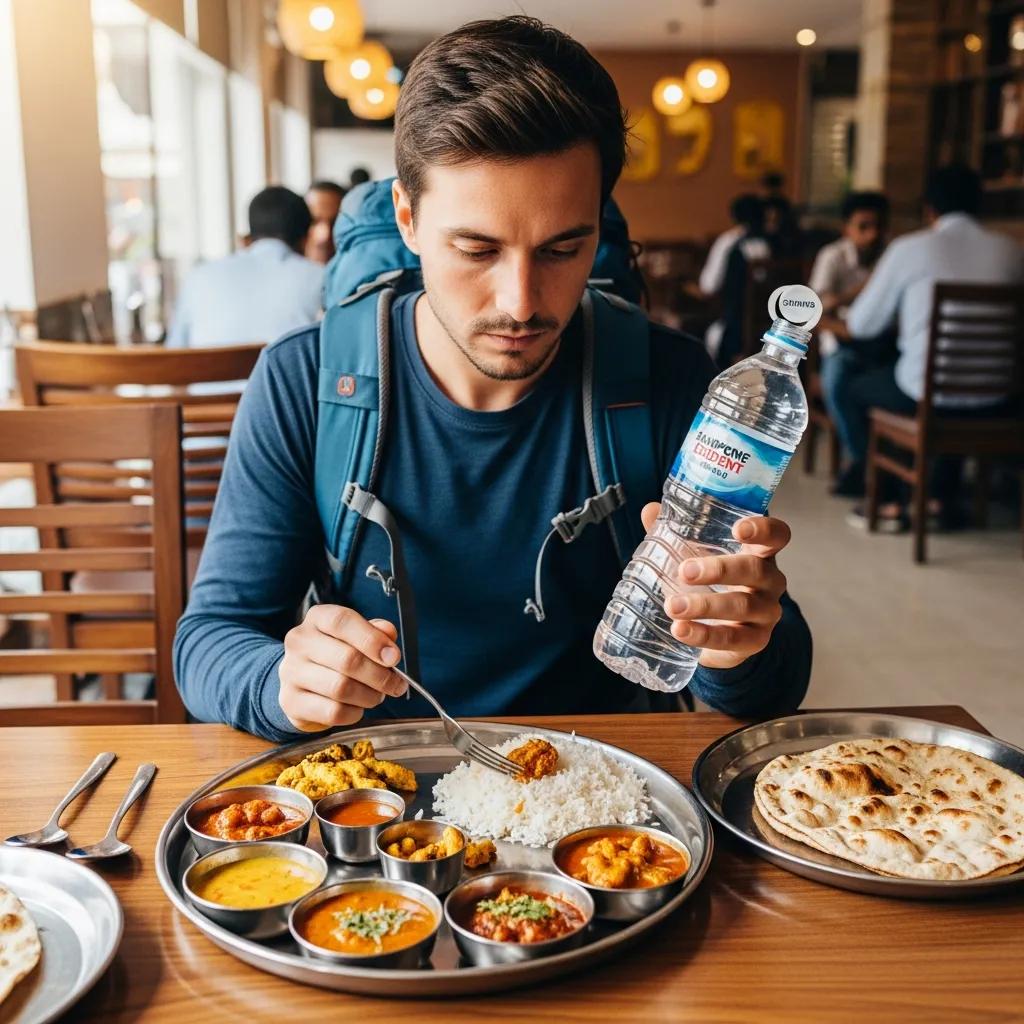
Practical food and water precautions are among the most effective ways to avoid Delhi Belly. A few sensible choices at each meal can greatly lower your risk.
Safe Eating Habits That Reduce Your Risk in India
Try these straightforward habits to keep meals safe:
- Choose cooked foods: Favor dishes cooked fresh and served hot; heat kills most germs.
- Avoid raw foods: Skip raw salads and unpeeled produce unless you’re sure they were washed in safe water.
- Eat at reputable places: Opt for well‑reviewed restaurants, busy stalls with high turnover, or hotel dining where food safety is more likely to be enforced.
- Be the first at the buffet: Good Indian food naturally lends itself to a buffet. Here’s some good advice I got from an Indian colleague of mine: When choosing your restaurant, find out in advance when the buffet opens and be the first one there, to partake of the still hot and freshly cooked food before other patrons have had a chance to contaminate it.
How to Make Sure Your Drinking Water and Hand Hygiene are Safe
Water safety and clean hands are essential. Follow these practical tips:
- Drink bottled water: Use sealed bottled water from trusted brands and confirm the cap is unbroken before drinking. Any other packaged beverages purchased in a store, like soda, beer or juice boxes become safe to drink through the manufacturing process.
- Use water purification methods: When bottled water isn’t available, boil water or use a UV light activated water bottle. Using a certified filter will remove most bacteria and parasites, but aren’t fine enough to filter out nano-sized viruses. Water purification tablets also help kill most contaminants but may not kill spores or more resistant bacteria.
- Practice good hand hygiene: Wash hands with soap and water before eating and after using the toilet. If soap isn’t available, use a hand sanitizer with at least 60% alcohol.
What Self-Care and Treatments Work if You Get Delhi Belly?
Managing symptoms with rehydration and over-the-counter medicines
Rehydration is the top priority. Use these practical steps to manage a typical bout of traveler’s diarrhea:
- Oral rehydration solutions: Use ORS packets or ready‑made solutions to replace fluids and electrolytes lost through diarrhea. Drink fluids until your urine looks clear instead of dark, which indicates an adequate level of hydration.
- Over‑the‑counter options: Loperamide (also known as Imodium) is available over-the-counter and can reduce stool frequency in mild to moderate cases but should not be used if you have high fever or blood in the stool. Bismuth subsalicylate can ease nausea and stomach upset for short periods.
- Rest: Allow your body to recover with plenty of rest and light eating until you feel better.
When To Seek Medical Care While in India
Most cases improve without prescription treatment, but see a clinician if you notice serious warning signs. Contact your travel clinic or local medical services promptly if you experience any of the following:
- Signs of severe dehydration: dizziness, very dry mouth, little or no urine, or a rapid heart rate
- Blood or mucus in your stool
- High fever (over 101°F / 38.3°C)
- Symptoms that persist beyond 3 days or are getting worse
If you’re unsure about symptoms or treatment, contact your travel health provider for advice.
