

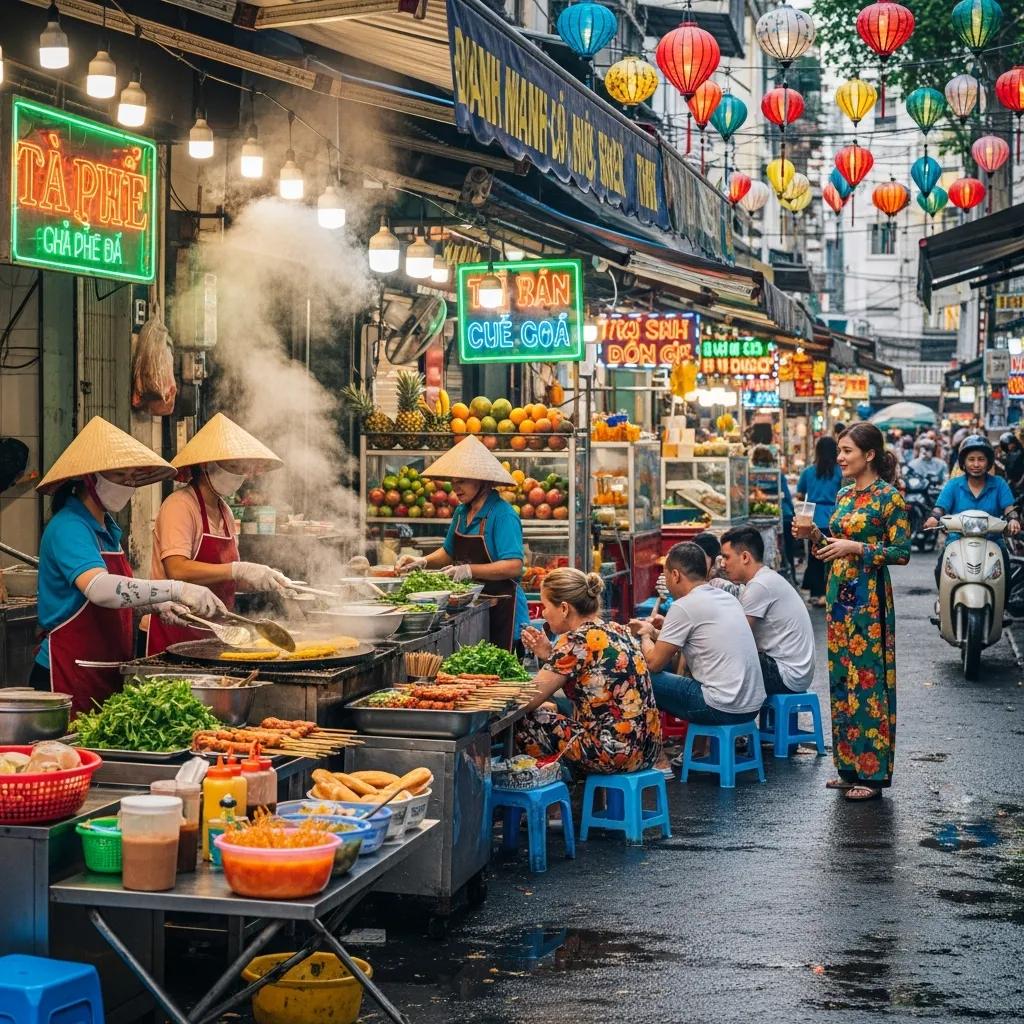
Vietnam Street Food Safety: Preventing Illness in Ho Chi Minh City and Hanoi
Vietnam Street Food Safety: How to Avoid Illness in Ho Chi Minh City and Hanoi
Vietnam’s street food is legendary: full of flavor, variety, and great value. Some dishes and stalls carry a higher risk of foodborne illness. This guide gives practical, easy-to-follow advice so you can enjoy Hanoi and Ho Chi Minh City’s food scene with less worry. We cover the most common causes of food-related illness, sensible eating and drinking practices, vaccine recommendations, and what to do if you fall sick while traveling. Read on so you can taste more and stress less.
What Are the Common Foodborne Illnesses from Street Food in Vietnam?
Improper food handling, contaminated water, and poor hygiene are frequent causes of foodborne illness from street food. These illnesses come from bacteria, viruses, or parasites and can range from a short bout of stomach upset to more serious infections. Knowing which pathogens are common helps you make safer choices when eating out.
Local studies point to specific bacterial hazards in Hanoi’s food environments.
Foodborne Pathogens in Hanoi: E. coli, Salmonella, Shigella, Staphylococcus aureus
This study looked at antibiotic-resistance profiles for Shiga toxin–producing Escherichia coli (STEC), Salmonella spp., Shigella spp., and Staphylococcus aureus. Between 2021 and 2022 researchers collected 660 samples from two communal kitchens in Hanoi, including food items, food-processing surfaces, and hand swabs from staff.
… in Shiga Toxin-Producing Escherichia coli (STEC), Salmonella, Shigella and Staphylococcus aureus Isolated at Two Communal Kitchens Located in Hanoi …, 2018
Which Pathogens Cause Traveler’s Diarrhea and Food Poisoning in Vietnam?
Traveler’s diarrhea and food poisoning most often come from bacteria like Escherichia coli, Salmonella, and Campylobacter. ETEC (enterotoxigenic E. coli) is a frequent cause of travelers’ diarrhea, while Salmonella and Campylobacter can produce fever, abdominal cramps, and vomiting. Recognizing these culprits helps you pick safer options and respond faster if symptoms appear.
Researchers have also raised concerns about growing antibiotic resistance in traditional fermented foods sold on the streets.
Hanoi Street Food Safety: Antibiotic Resistance in Fermented Foods
Experts suggest identifying and genetically characterizing multi‑drug resistant (MDR) isolates to better understand and control food safety risks linked to traditional Vietnamese fermented foods.
ANTIBIOTIC RESISTANCE RISK FROM TRADITIONAL FERMENTED FOOD STREET FOOD IN HANOI: OUTLOOK FROM A FOOD SAFETY PERSPECTIVE
What Symptoms Should Travelers Watch for After Eating Street Food?
Common signs of a foodborne illness include nausea, vomiting, diarrhea, and abdominal pain. More serious cases may involve high fever, blood in the stool, or severe dehydration. If symptoms are prolonged or get worse, seek medical care promptly — quick treatment reduces the chance of complications.
How Can Vaccinations Protect You from Foodborne Diseases in Vietnam?

Vaccinations are a key way to lower your risk of certain food- and water‑borne infections when traveling in Vietnam. Some vaccines offer strong protection against illnesses you might encounter while eating local food. Hepatitis A and typhoid vaccines are especially relevant for travelers who plan to eat street food regularly.
Which Vaccines Are Essential for Vietnam Travel?
- Hepatitis A: Prevents a common virus spread through contaminated food and water.
- Hepatitis B: Recommended if you’ll have close contact with locals, undergo medical care, or stay long-term.
- Typhoid: Advisable for adventurous eaters or those who travel to areas with limited sanitation.
- Tdap (Tetanus, Diphtheria, Pertussis): Keeps you protected from these serious infections, especially pertussis which is very prevalent worldwide.
- Rabies: Consider this if you expect animal exposure, especially in rural areas.
- Japanese Encephalitis: May be recommended depending on planned activities, location, and length of stay.
The Yellow Fever vaccine isn’t required for Vietnam unless you’re arriving from a country with a risk of Yellow Fever. For tailored advice, always speak with a travel health specialist.
Why Book a Pre-Travel Health Consultation with Travel Bug Health?
Booking a pre‑travel health consultation with Travel Bug Health lets our clinicians recommend the right vaccines and precautions for your trip. We’ll review your itinerary, suggest the most appropriate vaccinations for you, and explain any entry requirements. Plan to book your appointment at least 4–6 weeks before departure so vaccines have time to take effect.
What Are Safe Eating Practices for Street Food in Ho Chi Minh City and Hanoi?
Enjoying street food safely is about smart choices: pick vendors with good hygiene, stick to hot and freshly cooked items, and be mindful of drinks and produce. These small habits reduce your risk without dimming the experience. Don’t forget to wash your hands frequently, especially before you eat and after using the toilet. Soap and water still works the best and is more effective than hand sanitizer.
How to Choose Hygienic Street Food Stalls and Avoid Risky Foods?
- Fresh Ingredients: Order food that’s prepared in front of you and uses visible, fresh ingredients.
- Busy Stalls: A lineup usually means high turnover and fresher food. If it’s popular with the locals, the food is probably tasty too.
- Cleanliness: Watch for basic hygiene: clean utensils, covered food, and the vendor’s hand hygiene.
If a stall seems dirty or the food has been sitting out a long time, it’s safer to skip it.
What Are the Best Water and Beverage Safety Tips to Prevent Illness?
- Drink Bottled Water: Choose sealed bottled water rather than tap water.
- Avoid Ice: Ice may be made from tap water, so skip it unless you’re sure it’s from safe water.
- Choose Hot Beverages: Hot drinks like tea or coffee are safer because boiling kills germs.
Following these simple habits cuts your risk of getting sick from drinks and ice.
What Should You Do If You Experience Foodborne Illness While Traveling in Vietnam?
If you develop symptoms, quick, sensible steps can help you recover and avoid complications. Know when to manage symptoms yourself and when to see a clinician.
How to Manage Traveler’s Diarrhea: Medications and Rehydration Tips
Traveler’s Diarrhea (TD) is still the most commonly encountered illness in overseas travelers, especially those visiting resource-poor destinations. TD, by definition, is the sudden onset of frequent diarrhea or loose stools – without fever or feeling ill. I usually tell my travelers that if they have traveler’s diarrhea, they’ll likely know it. Most traveler’s diarrhea symptoms will likely resolve on their own after a few days, but it’s hard to enjoy your destination if you have urgent stomach cramps and are constantly trying to find the next toilet.
Treating traveler’s diarrhea combines both re-hydration and symptom control. Over‑the‑counter loperamide (commonly known as Imodium) is an excellent first-choice remedy to reduce stool frequency and resolve diarrhea as quickly as possible. It usually works within a few hours with only a dose or two, but avoid it if you have a high fever or bloody stools. Drinking as much (safe) water as you can is still the best way to get rehydrated and replace fluids lost through diarrhea or vomiting. Oral rehydration solutions may help to replace salts and electrolytes, but avoid any drinks with a lot of sugar which can actually make diarrhea worse. Seeking out a clinic to get IV fluids may seem like the quickest way to get better, but increases your risk of acquiring other infectious diseases like hepatitis B.
If your diarrhea symptoms continue longer than 24 hrs despite the use of loperamide, then it is a good idea to have a back up antibiotic, like azithromycin to take in case the cause might be bacterial. Your travel medicine specialist is the best person to provide you with the most appropriate antibiotic for your itinerary and unique health history. If your traveler’s diarrhea persists or your symptoms fail to improve, see a healthcare provider for further testing and treatment.
When to Seek Medical Attention for Food Poisoning Symptoms?
- High Fever: A temperature above 101°F (38.3°C) could mean a more serious infection.
- Persistent Vomiting: If you can’t keep fluids down, dehydration becomes a real risk.
- Severe Abdominal Pain: Intense or worsening pain should be evaluated by a professional.
Local clinics and hospitals can treat most foodborne illnesses — getting care early generally leads to better outcomes.
For assistance or to discuss your travel health needs, please contact Travel Bug Health Travel Clinic.
