

Chikungunya, Dengue and Zika in Southeast Asia: Vimkunya Vaccine Protection
Vimkunya Vaccine Protection for Chikungunya, Dengue, and Zika in Southeast Asia: Essential Travel Health Guide
Planning a trip to Southeast Asia is exciting — but it’s smart to plan for health, too. Mosquito-borne illnesses such as chikungunya, dengue, and Zika are real risks in the region. This guide explains how those illnesses spread, what symptoms to watch for, and practical steps you can take to lower your risk. We’ll also point you to trusted travel health consultations so you can leave home prepared and confident.
What Are the Risks of Chikungunya, Dengue, and Zika for Travelers in Southeast Asia?
Chikungunya, dengue, and Zika are common concerns for visitors because they’re spread by Aedes mosquitoes. While many infections are uncomplicated, each disease can cause serious health problems in some people. Knowing how these viruses present and how they’re transmitted helps you take sensible precautions on your trip.
Which Symptoms Should Travelers Watch For?
- Chikungunya: Usually starts with sudden high fever and intense joint pain. Muscle aches, headache, nausea, fatigue, and rash are common. Joint pain can be severe and linger for weeks to months in some people.
- Dengue: Often causes high fever, severe headache (sometimes pain behind the eyes), joint and muscle pain, rash, and minor bleeding. A small number of cases progress to dengue hemorrhagic fever, which can be life‑threatening and needs urgent care.
- Zika: Symptoms are often mild — fever, rash, joint pain, and red eyes (conjunctivitis). The major concern is pregnancy: Zika infection in pregnancy can cause serious birth defects.
How Are These Diseases Transmitted in Southeast Asia?
These viruses are mainly spread by Aedes mosquitoes, especially Aedes aegypti and Aedes albopictus. These species do well in urban and suburban areas and breed in small collections of standing water. Weather patterns like rain and heat affect mosquito numbers, so transmission varies by location and season. Staying aware of local conditions and using protective measures reduces your chance of infection.
Scientific evidence consistently points to Aedes species as the primary carriers of these arboviruses across Southeast Asia.
Aedes Mosquitoes: Vectors of Dengue, Chikungunya, Zika
Aedes mosquitoes (Diptera, Culicidae) are the principal vectors for several arboviral diseases, including dengue, dengue haemorrhagic fever, dengue shock syndrome, yellow fever, chikungunya, and Zika virus infection.
Dengue fever and insecticide resistance in Aedes mosquitoes in Southeast Asia: a review, YQ Leong, 2021
How Does the Vimkunya Vaccine Protect Against Mosquito-Borne Diseases?
At present, there is no approved vaccine called “Vimkunya” that protects against chikungunya, dengue, and Zika. While dengue vaccines (for example, Dengvaxia) are available in select countries for defined groups, and vaccines for chikungunya and Zika are under development, there is no single vaccine that covers all three. That means mosquito bite prevention and tailored travel health advice remain your best defenses.
The gap in broadly protective vaccines is driven by the biology of the Aedes mosquito and the complexity of these viruses, which is why prevention is so important.
Aedes aegypti: Dengue, Zika, Chikungunya Transmission & Vaccine Challenges
Dengue virus (DENV) and other arboviruses such as Zika virus, chikungunya virus, and yellow fever virus are transmitted by Aedes aegypti. This species is highly adapted to urban and suburban environments, making control difficult where it is well established. The lack of a single, broadly protective vaccine or universally effective treatment for Aedes-borne diseases underscores ongoing public health challenges.
Pyrethroid resistance in the dengue vector Aedes aegypti in Southeast Asia: present situation and prospects for management, CD Chen, 2018
What Is the Mechanism of Action of the Vimkunya Vaccine?
There’s no verified information about a vaccine named Vimkunya. In general, vaccines protect by teaching the immune system to recognize parts of a virus (or a weakened/inactivated form of it) so the body can respond faster and more effectively if exposed later.
Who Should Consider Receiving the Vimkunya Vaccine?
Because Vimkunya isn’t an available vaccine, it’s not something to consider. Instead, talk with a travel health specialist about currently available vaccines and other precautions for mosquito-borne illnesses. Some vaccines (like Dengvaxia) have specific eligibility rules; pregnant people, infants, and immunocompromised travelers should always seek personalized medical advice before vaccination.
What Are Effective Mosquito Bite Prevention Strategies for Southeast Asia Travel?

Stopping mosquito bites is the most reliable way to avoid these illnesses. Below are practical, evidence‑based strategies you can use while traveling:
- Protective Clothing: Wear long sleeves and pants when possible. Lightweight, breathable fabrics are comfortable in warm weather and reduce exposed skin.
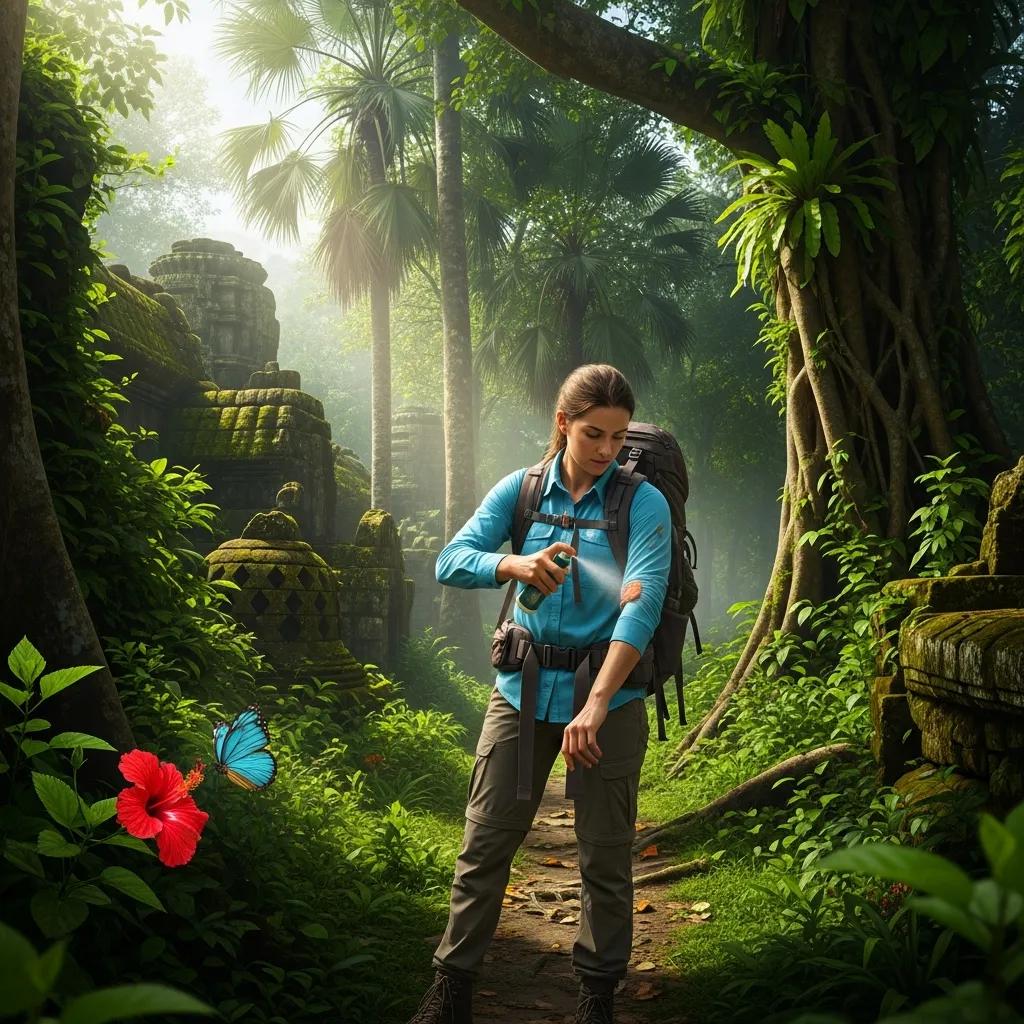
- Insect Repellent: Apply EPA‑registered repellents containing DEET or picaridin to exposed skin. Follow label instructions and reapply after swimming or heavy sweating.
- Environmental Precautions: Choose accommodations with screens or air conditioning, and avoid outdoor activity during peak mosquito times (dawn and dusk) when possible.
Which Repellents and Protective Clothing Are Recommended?
We recommend:
- Insect Repellent: Use products with at least 20% DEET or picaridin for reliable protection, applied according to the label.
- Protective Clothing: Lightweight, breathable garments that cover arms and legs reduce bites. Light colors make it easier to spot and avoid mosquitoes.
When and Where Are Mosquitoes Most Active in Southeast Asia?
Mosquitoes are typically most active at dawn and dusk, though Aedes species can bite during the day in shaded or sheltered spots. They thrive in humid conditions and near standing water — even small containers. Stay cautious in urban neighborhoods, parks, and areas with poor drainage, and use prevention measures consistently.
How Can Travelers Access Vimkunya Vaccine and Travel Health Consultations?

Since Vimkunya is not an available vaccine, focus on booking a travel health consultation to review current vaccine options, destination‑specific risks, and a tailored prevention plan for your trip.
Where Is the Vimkunya Vaccine Available in Scottsdale, AZ?
There is no Vimkunya vaccine in Scottsdale or elsewhere. If you need destination‑specific advice and recommended vaccines, Travel Bug Health Travel Clinic can help. Their clinic is located at 8603 E Royal Palm Rd, Suite 120, Scottsdale, AZ 85258 and offers personalized travel health services.
How to Book a Personalized Travel Health Consultation for Southeast Asia?
To schedule a travel health consultation for Southeast Asia, book an appointment online or call (480) 435-2774. We recommend booking 4–6 weeks before departure to allow time for vaccination and planning. The clinic sees patients Monday–Friday, 9:00 am–5:00 pm, by appointment. For questions, email team@travelbughealth.com.
