


Essential Shots Required for Africa: A Complete Travel Guide
Essential Vaccinations Required for African Travel: A Country-by-Country Guide for Safe Health Preparation
Traveling to Africa can be an exciting adventure, but it also comes with health risks that require careful preparation. Essential vaccinations are crucial for ensuring your safety and well-being while exploring the diverse landscapes and cultures of the continent. This guide will provide you with a comprehensive overview of the mandatory vaccinations required for various African countries, as well as recommendations for additional vaccines that can protect you from common diseases. By understanding the vaccination requirements and health regulations, you can travel confidently and enjoy your journey without health concerns. We will cover mandatory vaccinations, malaria prevention methods, and recommended vaccines for common diseases in Africa.
Which Vaccinations Are Mandatory for African Countries?
When planning your trip to Africa, it is essential to be aware of the mandatory vaccinations required for entry into different countries. These vaccinations not only protect your health but also ensure compliance with local health regulations. Below is a table summarizing the vaccination requirements for various African countries.
What Are the Yellow Fever Vaccine Requirements Across Africa?
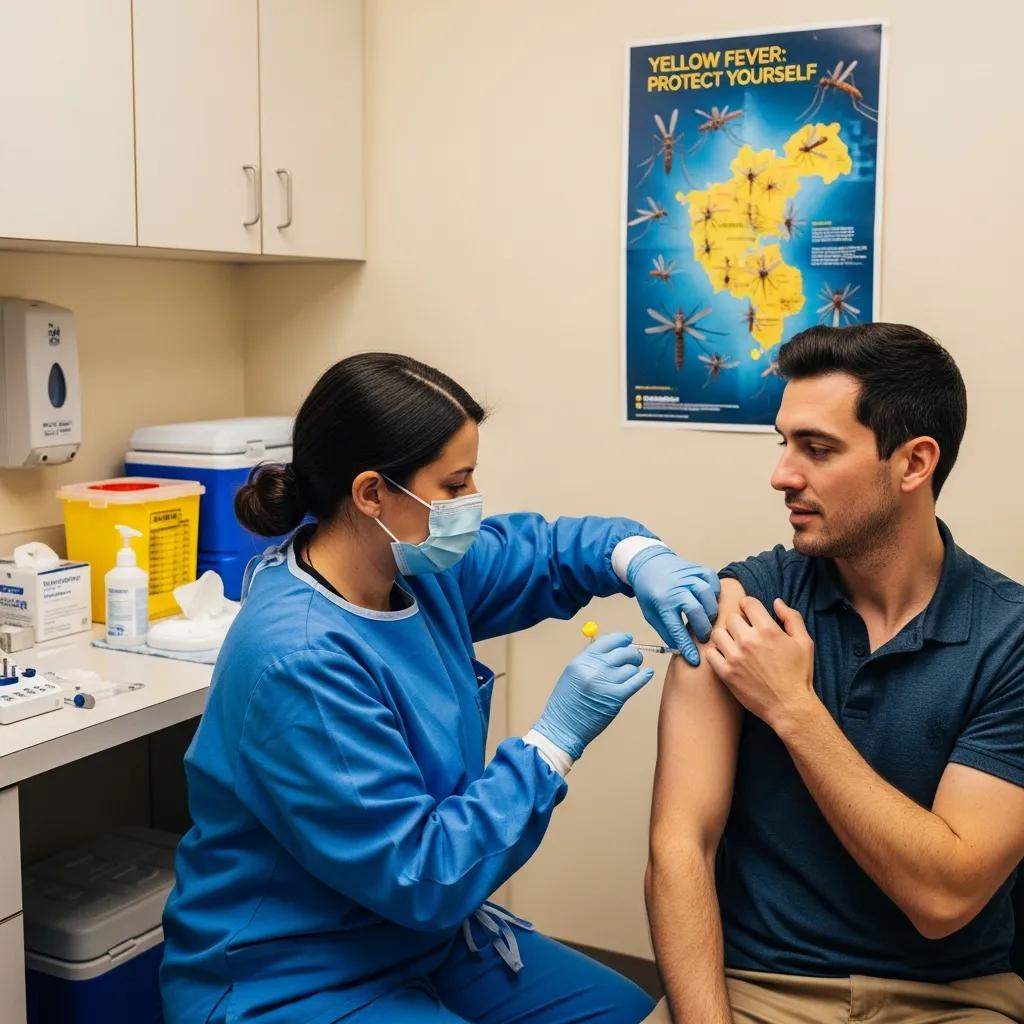
The Yellow Fever vaccine is a critical requirement for many African countries, particularly those with endemic transmission. Countries like Nigeria, Kenya, Tanzania and Uganda require proof of vaccination for travelers arriving from areas where Yellow Fever is prevalent. This vaccine not only protects individuals from the disease but also helps prevent outbreaks. Exemptions may apply for certain individuals, such as those with medical contraindications, but documentation is necessary to avoid complications at border crossings.
How Do Country-Specific Regulations Affect Vaccination Requirements?
Proof of vaccination regulations vary significantly among African nations. Some countries may require travelers to present an International Certificate of Vaccination or Prophylaxis (ICVP) upon entry, while others may have less stringent requirements. It is essential to check the specific regulations for each country on your itinerary, as non-compliance can lead to delays, fines, or even denial of entry. Keeping updated with the latest health advisories from official sources can help ensure a smooth travel experience.
How to Prevent Malaria During African Travel?

What Are Effective Malaria Prevention Methods for Travelers?
To effectively prevent malaria, travelers should consider the following methods:
- Wear light colored clothing (khaki for example) Stay covered as much as possible to deter insects. Wearing light colored clothing makes you less visible to insects, including mosquitos. Dark colors like black and navy blue attract insects.
- Use Insect Repellent: Apply insect repellent containing DEET or picaridin on all exposed skin toprevent mosquito bites.
- Sleep Under Mosquito Nets: Use insecticide-treated bed nets while sleeping to reduce the risk of bites during the night.
- Take Antimalarial Medication: Consult with a healthcare provider about prophylactic medications that can help prevent malaria infection.
Research highlights the varying degrees of adherence to these preventative measures among travelers, underscoring the importance of consistent application.
Malaria Prevention for African Travelers: Prophylaxis & Practices
Almost all knew about the risk of malaria, but 10% relied solely on advice from nonmedical sources. While 55.6% had taken at least one measure against mosquito bites, only 4.5% adopted three such measures (used repellents and insecticides and wore long clothing after dusk). Compliance with chemoprophylaxis use was reported by 57.0% of travellers who spent less than 3 months in Africa, compared with 29.2% who stayed 3-12 months. Depending on the antimalaria regimen taken, 11-44% of the travellers experienced adverse effect
Malaria chemoprophylaxis among European tourists in tropical Africa: use, adverse reactions, and efficacy, 1990
Which African Regions Have High Malaria Risk?
Certain regions in Africa are known for their high malaria prevalence, particularly in sub-Saharan countries. Areas such as parts of Nigeria, the Democratic Republic of the Congo, and Uganda are considered high-risk zones. Travelers should be aware of seasonal variations in malaria transmission, as the risk may increase during rainy seasons. It is advisable to consult travel health advisories for specific regions and to take appropriate precautions based on your travel itinerary.
What Are the Recommended Vaccines for Common Diseases in Africa?
Why Are Hepatitis A and B Vaccines Important for Africa Travel?
Hepatitis A and B vaccines are crucial for travelers to Africa due to the risk of transmission through contaminated food and water, as well as through blood and bodily fluids. Hepatitis A vaccination is recommended for all travelers, while Hepatitis B vaccination is particularly important for those who may have close contact with local populations or engage in activities that increase exposure risk. Ensuring timely vaccination can prevent serious health complications during your trip.
When Should Travelers Consider Typhoid and Rabies Vaccinations?
Travelers should consider Typhoid vaccination if they plan to visit areas with poor sanitation or if they will be staying with local families. Rabies vaccination is recommended for those who may come into contact with animals, particularly in rural areas or where access to post-exposure prophylaxis may be limited. Both vaccines should be administered well in advance of travel to ensure adequate protection. For comprehensive travel health advice and to book your necessary vaccinations, consider reaching out to a specialized travel clinic.
