

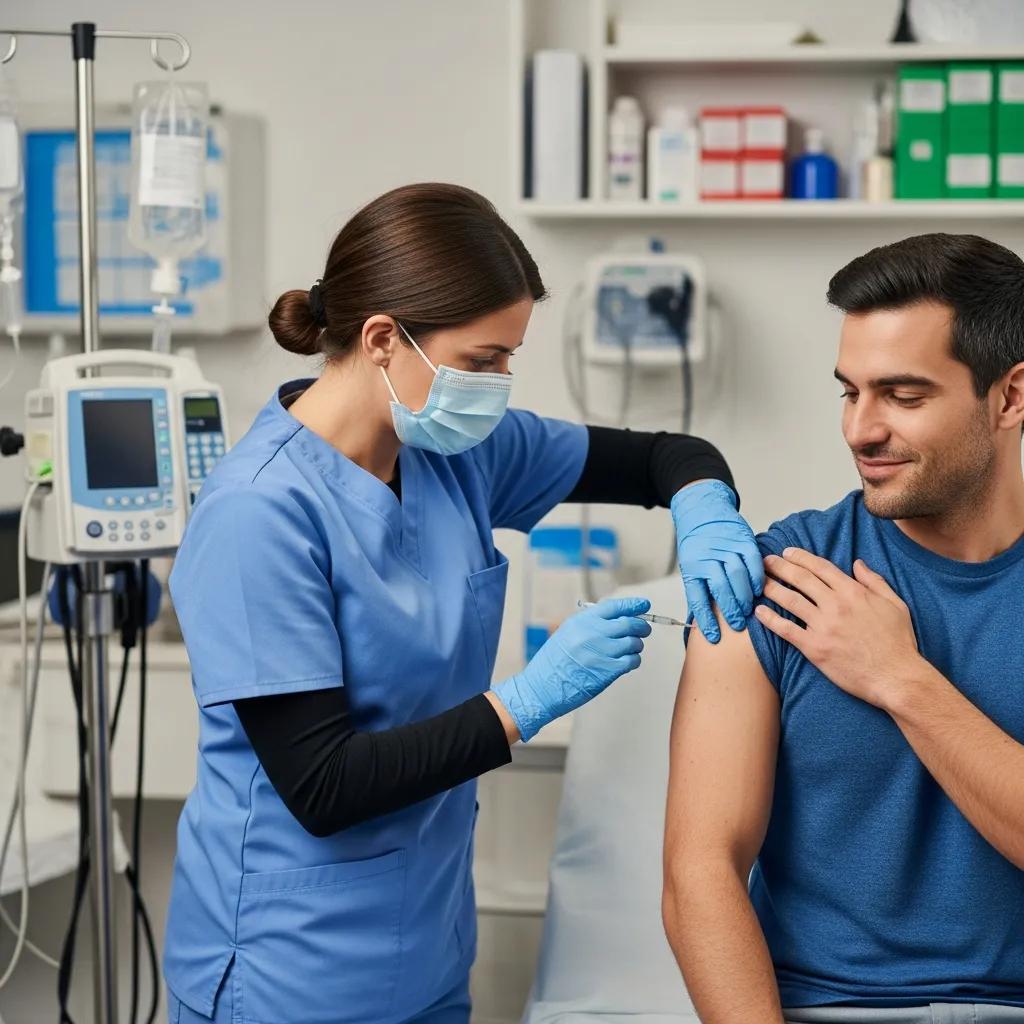
Protect Yourself: Post Exposure Human Rabies Vaccine in Mesa
Post‑Exposure Rabies Care in Mesa: Where to Get Urgent Vaccination and HRIG
Rabies post‑exposure prophylaxis (PEP) is a time‑sensitive, potentially life‑saving response after an animal bite or other exposure that could transmit rabies. This guide explains what PEP includes, why acting quickly matters for Mesa residents and visitors to Arizona, where to get vaccines and human rabies immune globulin (HRIG) locally, the exact vaccine schedule after exposure, and practical first‑aid steps to take right away. Untreated rabies is almost always fatal, so clear steps and local resource choices matter. Below you’ll find emergency actions, a comparison of Mesa provider options, a clear schedule for unvaccinated versus previously vaccinated people, and guidance on HRIG access and when to seek emergency care, all aligned with CDC guidance so you can act confidently after a potential exposure.
What Is Post‑Exposure Rabies Prophylaxis and Why Is It Urgent in Mesa?
Post‑exposure rabies prophylaxis (PEP) prevents rabies after a suspected exposure by combining prompt wound care, HRIG when indicated, and a series of rabies vaccine doses given on a set timeline. When started quickly, PEP neutralizes the virus and prevents it from reaching the nervous system. In Mesa and surrounding areas of Arizona, rising wildlife rabies detections increase the local risk and make timely access to PEP essential. Knowing the components and timing of PEP helps you choose the right local care and avoid delays that could affect outcomes.
Below are the core parts of PEP, why each matters, and how local rabies activity ties into urgency and CDC recommendations.
- Thorough wound cleansing and irrigation reduce viral particles at the entry site and lower infection risk.
- HRIG gives immediate, passive antibodies for people who haven’t been vaccinated and is infiltrated around wounds to neutralize virus near the exposure site.
- Rabies vaccine doses, given on a timed schedule, stimulate active immunity to block central nervous system infection.
Quick coordination of these steps determines effectiveness; the next section explains where Mesa residents can get PEP promptly and reliably.
What Does Rabies Post‑Exposure Treatment Involve?
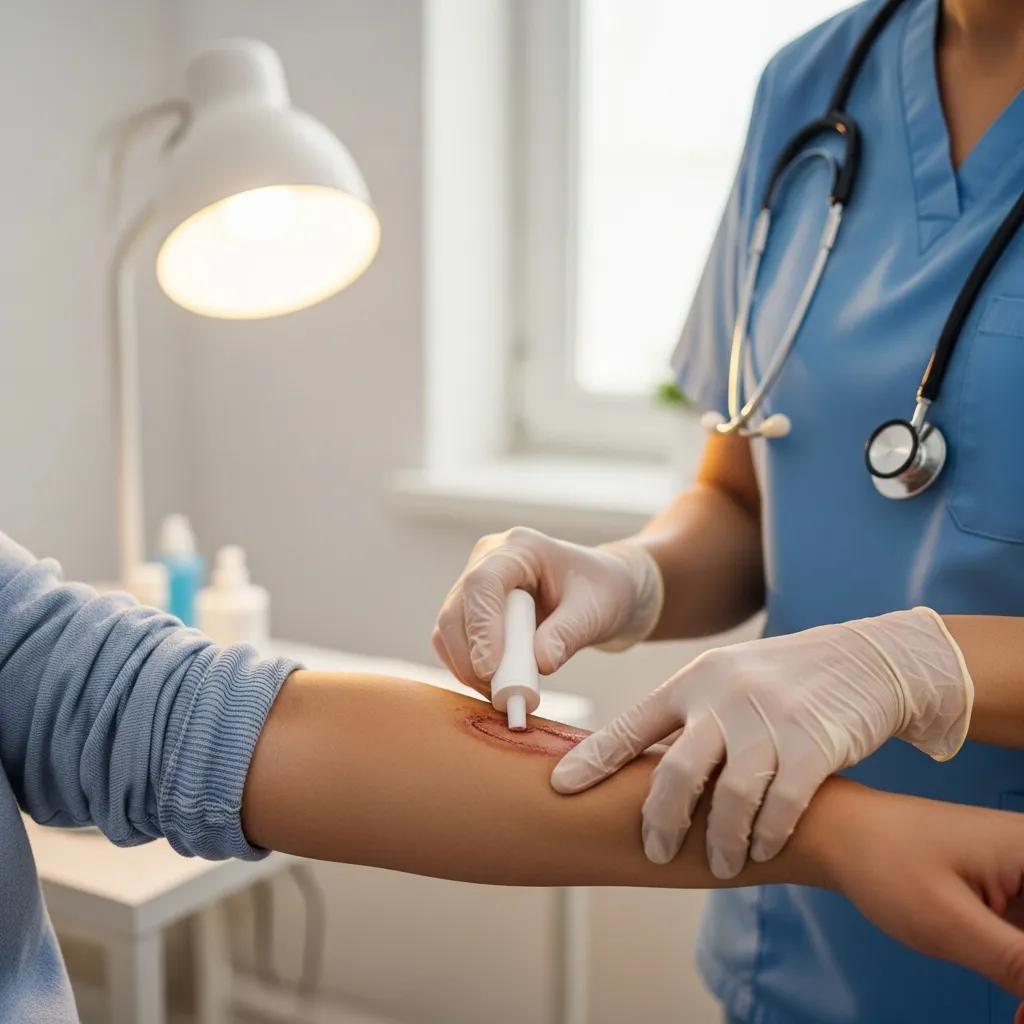
Post‑exposure treatment includes three linked actions: thorough wound cleansing, HRIG for those who are not previously vaccinated, and a multi‑dose vaccine series given over specific days. First, clinicians irrigate and clean the wound to lower viral load and check tetanus and bacterial infection risk. Second, HRIG (a single dose at the first visit for unvaccinated patients) is infiltrated around the wound to neutralize virus locally. Third, clinicians give the rabies vaccine series on schedule to build lasting immunity and document follow‑up. These steps follow CDC guidance and provide both immediate and durable protection; the next section explains why acting without delay is critical.
Why Immediate Rabies Care Is Critical After Animal Bites in Mesa
Rabies travels from the wound along peripheral nerves toward the central nervous system, so delays in passive and active immunization let the disease progress, and once symptoms appear, rabies is almost always fatal. Early wound care plus HRIG and vaccine interrupts this process by neutralizing virus locally and stimulating systemic immunity before the virus reaches the brain. Arizona reports wildlife rabies cases, especially in bats, skunks, and some wild mammals, so clinicians often act on a precautionary basis. Prompt PEP provides the best chance to prevent disease. The section that follows shows where to access care in Mesa.
Where Can You Get the Human Rabies Post‑Exposure Vaccine in Mesa?
In Mesa, several types of providers can deliver rabies PEP: travel and specialty clinics for rapid assessment and vaccine scheduling, hospital emergency departments for immediate HRIG and complex wound care, and public health departments for reporting and coordination.
Provider types and when to use them:
- Emergency departments: Best for deep, uncontrolled, or facial wounds and when HRIG must be given without delay.
- Travel clinics and urgent‑care centers: Good for quick assessment, starting the vaccine series, and arranging follow‑up when HRIG isn’t required that same day.
- Public health departments: Handle exposure reporting, animal testing coordination, and community‑level guidance.
Which site to choose depends on wound severity, time since exposure, and HRIG availability; the table below summarizes typical services to help you decide.
Quick comparison of local provider options for PEP delivery and HRIG access.
This comparison shows travel clinics can streamline vaccine scheduling while EDs ensure immediate HRIG access when clinically necessary.
Travel Bug Health’s Rabies PEP Services in Mesa
Travel Bug Health is a specialized travel clinic based in Scottsdale that supports Mesa residents and travelers with personalized travel‑health advice, vaccine services, and PEP guidance based on each patient’s exposure and history. Our clinicians assess the bite, vaccination status, and wound severity to recommend HRIG when needed or arrange rapid ED referral. For patients who need vaccine scheduling and travel‑focused counseling, Travel Bug Health offers coordinated care for vaccines, prescriptions, and travel planning. If you need urgent assessment or to start PEP, we can help arrange timely consultations and appointments.
Other Local Rabies Vaccine Providers and Public Health Resources
Other options include hospital systems, urgent care centers, and the county public health department, each has a role in PEP and reporting. Hospitals and EDs are set up for HRIG infiltration and complex wound management. Urgent care centers can triage non‑severe bites and begin the vaccine series when HRIG is not required. Public health handles animal testing and exposure investigations and advises on reporting rules. If you’re unsure where to go, choose an ED for severe wounds or when HRIG is urgently needed; for non‑critical exposures, a travel clinic or urgent care can usually start the vaccine series and schedule follow‑up.
Decision guide: when to choose each provider type:
- Emergency department: severe wounds or when immediate HRIG is required.
- Travel clinic: start the vaccine series and get travel‑focused counseling.
- Public health: report exposures, coordinate testing, and get community risk advice.
This helps match the clinical need to the right local resource and prepares you for the vaccine schedule explained next.
What Is the Rabies Post‑Exposure Vaccine Schedule After a Bite?

The standard PEP schedule for someone who hasn’t been previously vaccinated is rabies vaccine on days 0, 3, 7, and 14, plus HRIG on day 0 when indicated. People who have been previously vaccinated receive two booster doses on days 0 and 3 and do not get HRIG. The vaccine series builds active immunity while HRIG provides immediate passive protection for those without prior vaccination. Accurate documentation and timely follow‑up are important; clinicians will schedule appointments and discuss expected side effects. The table below contrasts the regimens to clarify timing and HRIG requirements.
Comparison of PEP schedules for unvaccinated and previously vaccinated people.
How Many Rabies Shots Are Needed After Exposure?
If you’ve never had rabies vaccine before, the usual course is four vaccine doses over two weeks (days 0, 3, 7, 14) plus a single HRIG dose at the first visit. If you were previously vaccinated, you generally need only two booster doses on days 0 and 3 and do not receive HRIG. Children follow the same schedule with weight‑appropriate dosing. Completing the series on schedule is essential for protection; clinicians will arrange follow‑up and document immunizations for public‑health records.
This guidance follows established PEP protocols that have been refined to balance effectiveness and patient adherence.
Rabies Post‑Exposure Prophylaxis: Vaccination Schedules and Routes
Rabies is a fatal zoonotic disease that can be prevented with timely post‑exposure prophylaxis. PEP includes rabies vaccination (intradermal or intramuscular) and, where recommended, rabies immunoglobulin following WHO and CDC‑aligned schedules.
Rabies post‑exposure prophylaxis: A systematic review on abridged vaccination schedules and the effect of changing administration routes during a single course, A Tarantola, 2019
Research and clinical guidance support the commonly used 4‑dose regimen for previously unvaccinated people as an effective approach.
Human Rabies Post‑Exposure Prophylaxis: Evidence for a 4‑Dose Vaccine Schedule
Prompt application of PEP after exposure prevents human rabies. Over time, studies have evaluated the optimal number and timing of vaccine doses used for PEP.
Evidence for a 4‑dose vaccine schedule for human rabies post‑exposure prophylaxis in previously non‑vaccinated individuals, R Franka, 2009
What Is Human Rabies Immune Globulin and When Is It Given?
Human rabies immune globulin (HRIG) supplies immediate passive antibodies and is given once at the first visit for people who haven’t been vaccinated. Clinicians infiltrate as much HRIG as possible around the wound and give any remaining volume intramuscularly. HRIG neutralizes virus near the entry site while the vaccine starts the body’s active immune response, so it should not be delayed. People with prior rabies vaccination do not receive HRIG because they already have immune memory. HRIG availability varies by facility, so EDs and some hospitals keep stock for urgent administration when clinically indicated.
How to Manage Animal Bites and Rabies Risk Before Getting Vaccinated in Mesa?
Immediate first aid and a correct risk assessment guide whether you need PEP. Simple actions taken within minutes can reduce viral load and improve outcomes while you arrange medical care. Thorough wound irrigation and antiseptic care reduce infectious material and should be done before clinical evaluation when possible. Collecting safe, accurate information about the animal and the exposure supports public‑health follow‑up and helps clinicians decide on HRIG and vaccine needs. The steps below list what to do right away after a potential exposure.
Immediate actions to reduce risk and prepare for clinical evaluation:
- Irrigate the wound thoroughly with soap and water for at least 15 minutes to wash away viral particles.
- Apply an antiseptic and cover the wound, then seek urgent medical evaluation to determine whether PEP is needed.
- Document animal details (species, behavior, location) and report to public health when it’s safe to do so.
Introductory table of first‑aid actions and expected outcomes.
These measures don’t replace medical care but materially reduce risk while you arrange PEP.
What First Aid Steps Should You Take After a Potential Rabies Exposure?
Start by washing the wound with soap and plenty of water for at least 15 minutes to mechanically remove virus and debris. Apply an antiseptic and a clean dressing. While first aid matters, seek immediate clinical evaluation so a provider can assess HRIG need, begin the vaccine series if indicated, and address tetanus or bacterial infection risk. If the animal can be safely contained, note its description and location for public‑health follow‑up and possible testing, but do not attempt to capture wildlife yourself. These first‑aid actions lower immediate risk and prepare you for medical care.
When Should You Seek Emergency Rabies Vaccine Treatment in Mesa?
Go to an emergency department right away for deep, heavily bleeding, or facial wounds, for exposures involving bats when contact during sleep is possible, or whenever HRIG must be given urgently and is not available at an outpatient clinic. Other red flags include exposures to known high‑risk wildlife, inability to reach an outpatient clinic within a few hours, or instability from the wound itself. For non‑severe bites where HRIG isn’t required, a travel clinic or urgent care can often start the vaccine series and arrange follow‑up. Choosing the right site quickly helps ensure HRIG and the first vaccine dose are not delayed, a key factor in successful PEP.
- Severe wound: Go to the ED for immediate HRIG and wound care.
- Exposure to a bat or unknown animal in a sleeping area: ED evaluation is recommended.
- No clinic access within hours: EDs can provide HRIG or vaccines when outpatient options aren’t available.
These decision rules help you match urgency to the appropriate local care setting and complete the PEP pathway.
Post‑exposure care requires quick action. For urgent assessment or to arrange rabies vaccinations and referrals, Travel Bug Health offers travel‑health consultations and can help coordinate vaccine scheduling and guidance for Mesa residents and travelers.
