

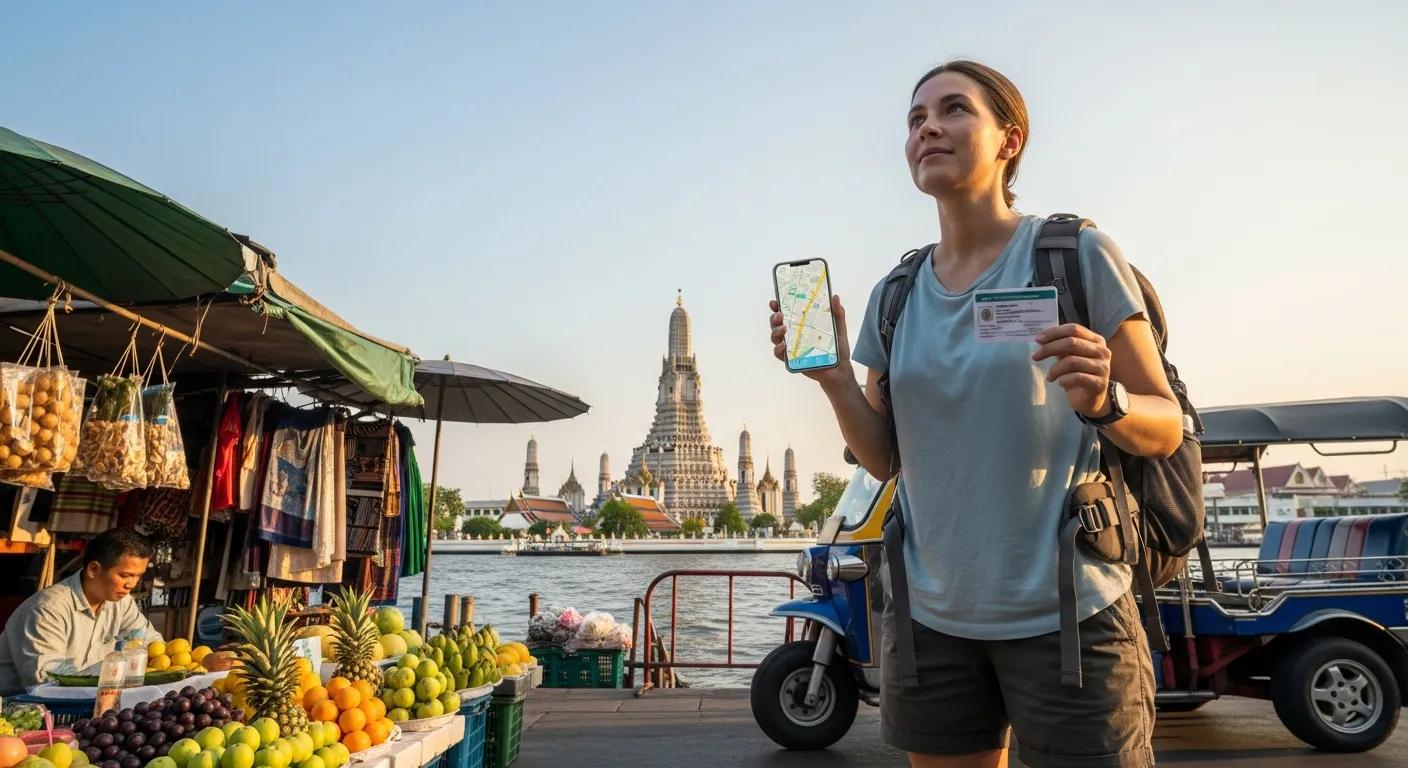
Thailand Travel Vaccines: Bangkok, Phuket, and Chiang Mai Health Prep
Thailand travel vaccines: what to know before you go to Bangkok, Phuket, and Chiang Mai
Heading to Thailand, whether it’s the bustle of Bangkok, the beaches of Phuket, or the hills around Chiang Mai, means planning for your health as much as your itinerary. Below we outline the vaccines commonly recommended for travel, the main local risks, and practical precautions you can take before and during your trip. Use this as a starting point, then book a travel health consultation for personalized advice.
What are the recommended vaccines for traveling to Thailand?
Commonly recommended vaccines for Thailand include:
- Hepatitis A (food and water-borne risk)
- Hepatitis B
- Typhoid
- Tdap (Tetanus, Diphtheria, Pertussis)
- Rabies (consider if you’ll be outdoors or around animals)
- Japanese Encephalitis (depending on where you go and how long you stay)
Also make sure routine vaccines (like MMR, COVID-19 and flu) are current before you travel.
Which vaccines are essential for all Thailand travelers?
For most travelers, these vaccines are considered essential:
- Tdap (Tetanus, Diphtheria, Pertussis)
- Typhoid
- Hepatitis A
Depending on your activities and length of stay, you may also want Hepatitis B. Yellow fever is not required for travel to Thailand unless you arrive from a country with yellow fever risk. Keeping these vaccinations up-to-date is a simple step that greatly reduces preventable problems abroad.
How do CDC and WHO guidelines influence Thailand vaccine recommendations?
The CDC and WHO regularly review regional risks and publish guidance that shapes vaccine recommendations. We use those sources, along with local disease patterns and your specific itinerary to tailor our advice so you get the right protection for your trip.
How should travelers prepare for health risks in Bangkok, Phuket, and Chiang Mai?
Start by checking that routine shots are current, then consider travel-specific vaccines such as Hepatitis A, Hepatitis B, typhoid, or Japanese encephalitis based on your destinations and activities. Schedule a pre-travel consultation with a travel-health specialist to get a plan that fits your itinerary. Don’t forget mosquito prevention; it’s an important part of avoiding dengue, chikungunya, zika, malaria and other mosquito-borne illnesses.
What are the key health risks and vaccine recommendations for Bangkok?

- COVID-19
- Influenza
- Hepatitis A
- Typhoid – risk throughout most of Asia, especially for adventurous eaters.
- Hepatitis B — recommended for unvaccinated adults, children, and infants.
- MMR (Mumps, Measles, Rubella) – should always be up to date.
- Rabies — high risk of exposure from dogs and monkeys.
- Japanese encephalitis — may be recommended for longer stays or rural travel.
- Chikungunya – may be recommended for outdoor adventure travel or longer stays.
Tick-borne encephalitis vaccine is not recommended for Thailand, as that disease does not occur here. Talk with a specialist to tailor recommendations to your plans.
Which vaccinations and precautions are recommended for Phuket visitors?
For Phuket visitors, we typically recommend:
- Routine vaccinations: Confirm Tdap, MMR, and polio are up-to-date.
- Travel vaccines: Depending on activities and location, consider:Hepatitis AHepatitis BTyphoid
- Yellow fever: Required only if arriving from a country with yellow fever risk; an official Yellow Fever certificate will be issued if needed.
- Mosquito bite prevention: Because dengue, chikungunya and zika are present, take steps including: Wearing long sleeves and long pants in light colors. Using insect repellent with DEET or picaridin. Staying in screened or air-conditioned rooms. Avoiding peak mosquito times around dawn and dusk.
Cholera vaccination is usually unnecessary for Phuket unless an outbreak or specific exposure risk exists. These measures help reduce your chance of getting sick so you can enjoy the islands.
How can travelers prevent diseases in Chiang Mai and northern Thailand?
In Chiang Mai and the North of Thailand, protection often includes Hepatitis A, Hepatitis B, typhoid, and, depending on activities and length of stay, Japanese encephalitis. Key mosquito precautions include:
- Wearing protective clothing: long sleeves, long pants, and light colors.
- Using insect repellent with DEET or picaridin on exposed skin.
- Staying in screened or air-conditioned accommodations.
- Being careful during peak mosquito biting hours, especially around dawn and dusk.
Combining vaccines with good mosquito bite prevention lowers your overall risk of infection.
Research also shows the lasting impact of regional vaccination programs, for example, efforts against Japanese encephalitis in parts of Thailand.
Japanese encephalitis vaccination program in Chiang Mai, Thailand
Thailand added a vaccine against Japanese encephalitis virus (JEV) to its National Immunization Programme in the 1990s. To better understand population immunity and susceptibility after nearly three decades of vaccination, researchers conducted a seroepidemiological study in a JEV‑endemic area of Chiang Mai.
Seroepidemiological study of Japanese encephalitis virus in Chiang Mai: Immunity and susceptibility 28 years after introduction of a vaccination programme, 2022
What non-vaccine health precautions are important for Thailand travel?
Alongside vaccines, simple habits make a big difference: practice good hand hygiene, be careful with food and water, and use mosquito bite prevention measures to stay healthy while traveling in Thailand.
How can travelers prevent malaria and dengue fever in Thailand?
- Wear protective clothing: Choose long sleeves, long pants, and light colors when possible; mosquitoes are attracted to dark clothing.
- Use insect repellent: Apply a repellent that contains DEET or picaridin to exposed skin.
- Stay in screened or air-conditioned areas: Sleep in rooms with A/C or use bed nets where recommended.
- Be cautious during hours of peak mosquito activity: Dengue mosqutoes are most active during daytime hours (especially early morning and late afternoon); malaria mosquitoes tend to bite from dusk to dawn.
Using these precautions together greatly reduces your chance of mosquito-borne infection.
What food and water safety measures should travelers follow?
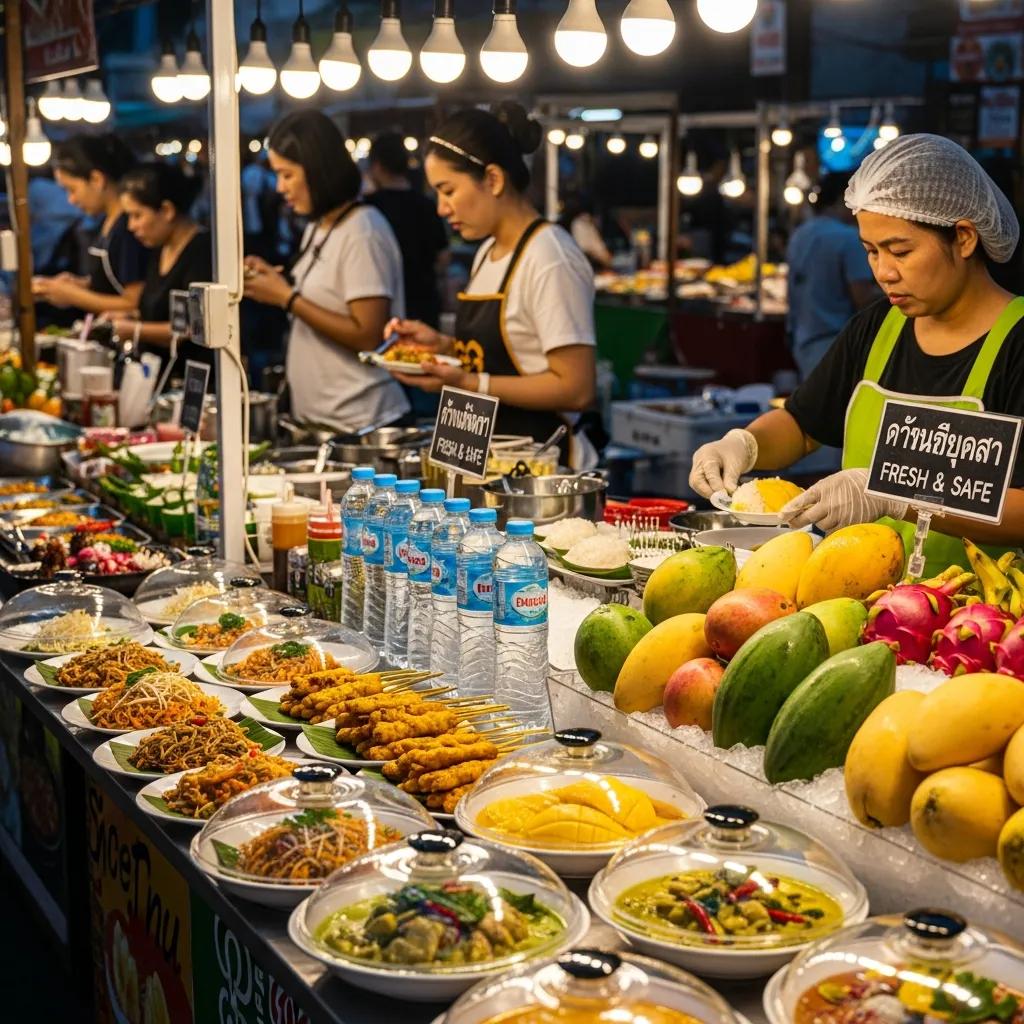
To avoid gastrointestinal illness, follow these practical tips:
- Drink (and brush your teeth with) only bottled or boiled water.
- Avoid ice that could be made from tap water.
- Eat well-cooked food and avoid raw or undercooked dishes.
- Choose street food that looks freshly prepared, are well cooked and handled hygienically.
These common-sense steps help prevent travelers’ diarrhea and other foodborne illnesses so your trip stays on track.
Data on common travel illnesses (like traveler’s diarrhea) reinforce why food and water safety matter when visiting Thailand.
Travelers’ diarrhea incidence and impact in Thailand
Travelers’ diarrhea (TD) is common among visitors to Thailand. In a prospective cohort study of 349 eligible adult travelers (mean age 32.3 years; 55.4% men), cumulative TD incidence was 14.0% at 7 days, 23.5% at 14 days, and 33.0% at 28 days after arrival. Median time to develop TD was nine days (IQR 5–18). Of 115 participants who developed TD, 64.3% consulted a physician, 1.7% were hospitalized, and 11.3% changed travel plans.
Incidence of travelers’ diarrhea among adult foreign travelers in
Thailand: a prospective study, K Poovorawan, 2020
How can travelers book and prepare for their Thailand travel health consultation?
You can book a pre-travel consultation at TravelBug Health. We recommend scheduling 4–6 weeks before departure for the best protection. Call (480) 435-2774 or schedule a consultation online. During the visit, a TravelBug Health consultant will review your medical history and recommend vaccines and precautions based on where you’re going and what you’ll be doing.
What is the process for scheduling a travel health consultation at TravelBug Health?
To schedule, call (480) 435-2774 or visit our booking page at Travel Bug Health. We recommend booking at least 4–6 weeks before travel. Appointments are available Monday–Friday, 9:00 am–5:00 pm.
What should travelers expect during their pre-travel health appointment?
At your appointment we’ll check your routine vaccinations (Tdap, MMR, polio) and recommend any travel-specific shots you may need, for example, Hepatitis A, Hepatitis B, typhoid, or Japanese encephalitis. We’ll evaluate your risk of mosquito-borne diseases such as malaria, dengue, chikungunya and zika and counsel you on how to avoid insect bites. If required, we can also provide the yellow fever vaccine and official certification. Your consultant will tailor recommendations to your destinations and planned activities so you leave prepared and confident.
