

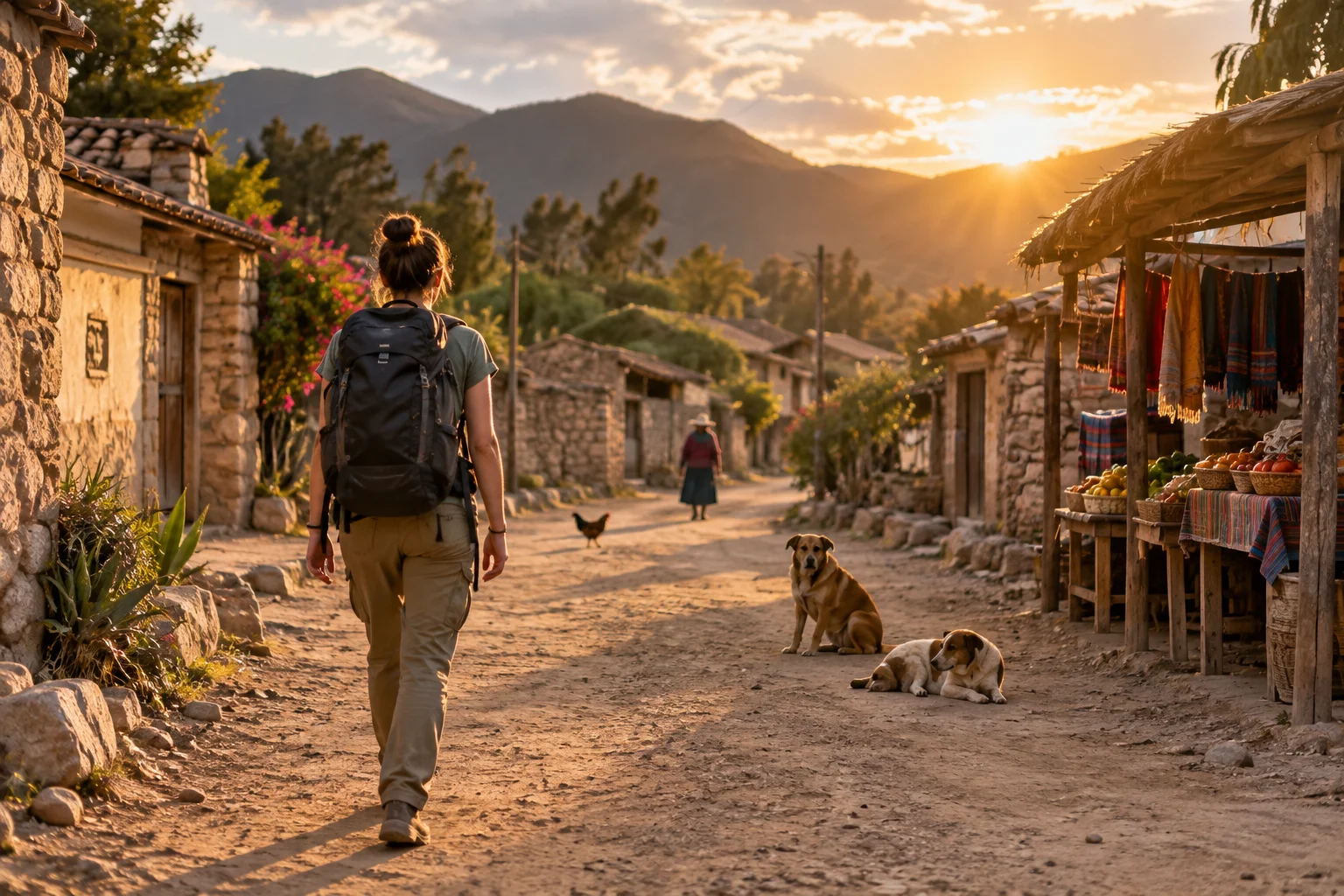
If your trip includes rural travel, extended time abroad, or close contact with animals, a pre-exposure rabies vaccine can simplify treatment if you're ever bitten or scratched. This guide covers who needs the pre-exposure rabies vaccine, the dosing schedule, and where Arizona travelers can add it to their Vaccinations plan before departure.
By TravelBug Health Team, Travel Health Specialists
Rabies can be transmitted by any mammal and is nearly always fatal once symptoms appear. Rabies is caused by a virus that attacks the central nervous system after it enters the body through a bite, scratch, or even saliva contact with broken skin or the eyes, nose, or mouth. In many parts of the world, free-roaming dogs remain the leading source of human rabies deaths. Bats and wild animals can carry the rabies virus even in the United States, so the risk isn't limited to remote destinations. We recommend that travelers not skip the main immunizations advised for their specific itinerary, which, for many trips, that includes the pre-exposure rabies vaccine.
When considering whether you should get a preventive rabies series, your travel health consultant will review your itinerary, planned activities, and how much contact you're likely to have with animals. We generally recommend the pre-exposure rabies vaccine for travelers spending a month or longer in a country with limited access to rabies vaccine and rabies immune globulin, for anyone doing rural trekking, cycling, or camping far from medical care, and for those working directly with animals, including veterinarians, wildlife researchers, and spelunkers who may enter bat caves. The chance of a rabies exposure increases with extended time spent in rural areas, cycling or trekking, and visiting friends and relatives. If your itinerary fits any of these patterns, you should consider the pre-exposure rabies vaccine before you go. It's a preventive series that markedly simplifies treatment and reduces your risk if you ever face an exposure abroad.
Pregnant or Breastfeeding Travelers
The pre-exposure rabies vaccine doesn't contain a live virus, and CDC guidance doesn't list pregnancy or breastfeeding as a reason to avoid rabies vaccination when a traveler's itinerary carries a real exposure risk. Even so, this is a decision we make together at your consultation, weighing your specific trip and health history rather than applying one blanket answer.
Children Traveling Internationally
Children are at greater risk than adults of animal bites, scratches, and other potential rabies exposures, particularly when traveling in rabies-endemic countries. They are less inhibited, more likely to approach strange animals, and also less likely to inform an adult about an animal encounter. Children are also more likely to sustain bites on the face or arms, which increases the risk of rabies. Children who accompany their family when visiting relatives, especially in rural areas or countries where free-roaming dogs are common, are at very high risk of rabies exposure. Rabies vaccine is safe and effective for all ages, including infants. Children receive the same dose and vaccination schedule as adults.
The Pre-Exposure Rabies Vaccine Isn't Required for Entry to Any Country
No country currently requires proof of rabies vaccination to enter, the way some countries require a yellow fever certificate. The pre-exposure rabies vaccine is a personal health decision based on your destination and activities, not a visa or entry requirement. Whether rabies vaccination is recommended for your trip depends on your itinerary and planned activities, not on any border checkpoint. The CDC still recommends it for travelers whose plans put them at meaningfully higher risk of exposure.
Dosing Schedule and Timing
Two Doses, Given a Week Apart
Per ACIP's (the CDC's Advisory Committee on Immunization Practices) 2022 update, the pre-exposure rabies vaccine schedule is two doses, given on day 0 and day 7. This replaced the older three-dose schedule, so if anyone recommends three doses for pre-exposure protection, it's likely based on outdated guidance. Your travel health specialist confirms your exact schedule during your visit.
Timing Before Your Departure
Because the two-dose series can be completed in about a week, it's possible to start closer to departure than some other travel vaccines. Even so, just like the CDC, we recommend scheduling a pre-travel consultation at least 6 to 8 weeks prior to departure. That leaves time to complete any other vaccine series or health preparations you may need for your trip.
Where to Get the Pre-Exposure Rabies Vaccine
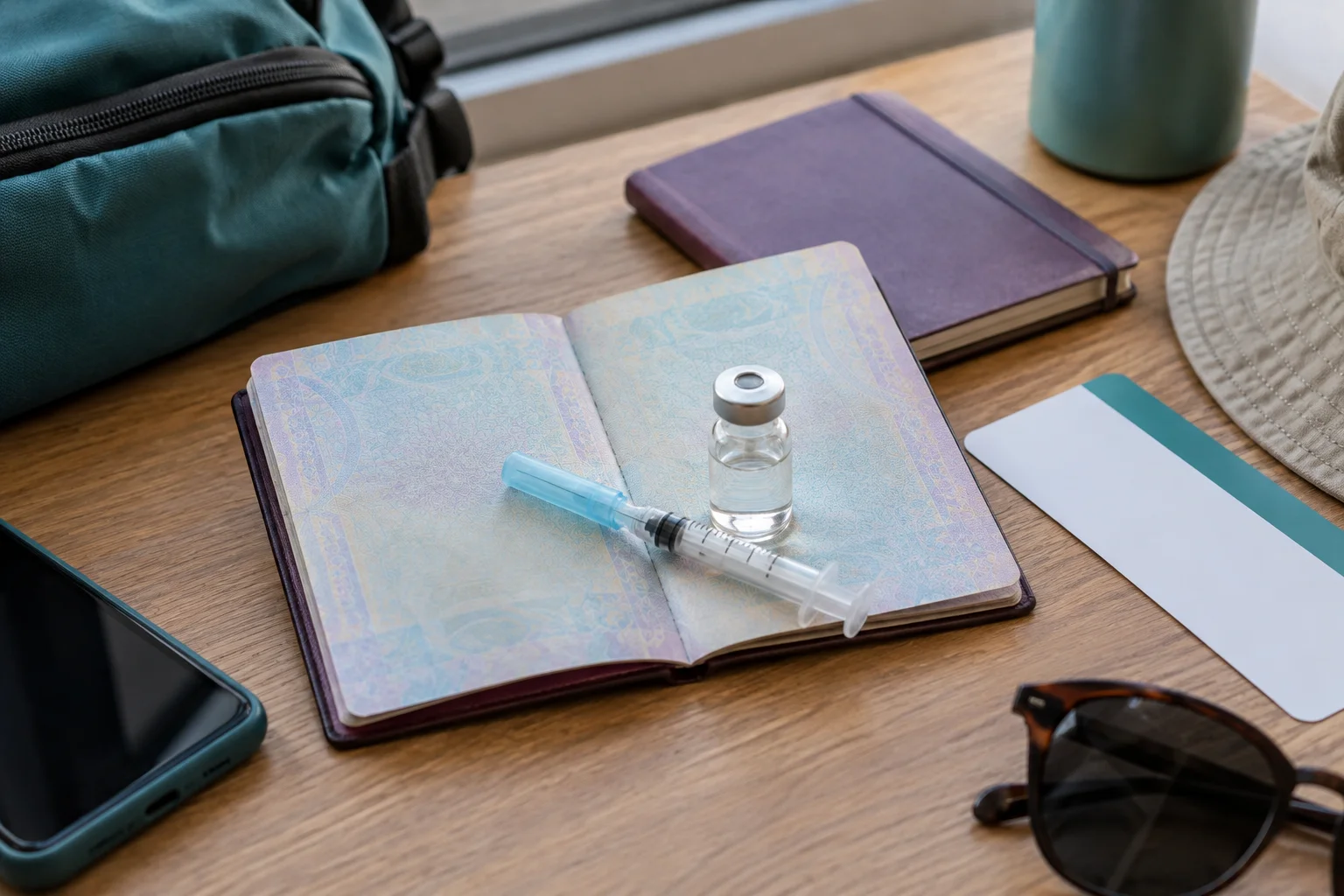
Many travelers assume they can get a rabies vaccine at any pharmacy the way they would a flu shot. In our experience, it isn't routinely stocked at most retail pharmacies, and is usually difficult to find outside of a hospital or dedicated travel clinic. Sometimes, as is currently the case in November 2026, there may even be limited availability of rabies vaccine on the market. A Travel Clinic that regularly sees international travelers is more likely to have it on hand and to build it into a full risk assessment based on your destination, rather than treating it as a single, isolated shot.
At TravelBug Health, we always carry the rabies vaccine in stock and can administer it as part of your one-stop comprehensive pre-travel visit. Call our Scottsdale office at (480) 435-2774 for current pricing information.
Treatment Is Still Needed After a Bite, Even With the Pre-Exposure Series
Yes. The pre-exposure rabies vaccine doesn't replace medical care after a bite, scratch, or possible exposure, it simplifies it. Wash any wound immediately with soap and water for several minutes after any animal bite or scratch, then seek immediate medical care , even if the animal seemed healthy.
The Difference Between Pre-Exposure and Post-Exposure Treatment
A traveler with no prior (pre-exposure) vaccination who is bitten by a mammal needs a full post-exposure rabies treatment. This includes rabies immune globulin (a dose of rabies antibodies, usually injected around the wound), plus an additional 4 or 5 rabies vaccines. Pre-exposure vaccination provides an important safety net. Someone who already completed the pre-exposure series needs only two additional vaccine doses, on day 0 and day 3, with no immune globulin required.
A potential rabies exposure abroad can cause considerable anxiety and sometimes bring a trip to an abrupt end, as rabies immune globulin and vaccine may be difficult to obtain, particularly in remote areas. Previously vaccinated travelers still require two post-exposure vaccine doses, but no immune globulin, and have some protection even if access to those booster doses is delayed.
Length of Protection and Possible Side Effects
Rabies is a very effective vaccine and the two-dose pre-exposure series usually provides protection for several years. If you have ongoing exposure risk, frequent travel to high-risk destinations, or work that puts you in regular contact with animals, your specialist may check your antibody levels (titer) or recommend a booster dose, per CDC guidance on rabies pre-exposure vaccination (CDC, accessed June 2026).
Side Effects
For most travelers the rabies vaccine is well tolerated. The most common side effects are soreness, redness, or swelling at the injection site, and occasionally a mild headache or low-grade fever. The vaccine doesn't contain a live virus, so it cannot cause rabies.
Frequently Asked Questions
Is the pre-exposure rabies vaccine the same as the shot given after a bite? No. The pre-exposure rabies vaccine is a two-dose series given before you're ever exposed, meant to simplify treatment later. The post-exposure treatment given after an actual bite, scratch, or possible exposure is a different course, and it's more involved for travelers who didn't receive a pre-exposure series.
Can I get the pre-exposure rabies vaccine at a regular pharmacy? It's possible in some locations, but it isn't routinely stocked the way flu shots are. A travel health clinic is more likely to have it on hand and to build it into a broader review of your destination's risks.
What animals should travelers actually worry about? Globally, dogs cause the large majority of human rabies deaths, especially in certain parts of the world, including Asia and Africa. In the United States, bats are the main concern, and in some countries, monkeys and other wildlife can also carry the rabies virus. Any animal bite, scratch, or lick on broken skin from an animal you don't know well needs to be evaluated.
Do I need a booster after completing the two-dose series? Not automatically. Whether you need a booster or a titer check depends on how often you're exposed to potential risk after your trip, such as ongoing animal contact or repeated travel to high-risk destinations. Your specialist reviews your exposure history at future visits to decide.
Talk to a Scottsdale Travel Specialist Before You Go
A pre-exposure rabies vaccine for travelers heading to rural or remote destinations is one of the easiest additions to a pre-travel visit. Schedule an Appointment at our Scottsdale Travel Clinic to build a plan around your specific itinerary.
