

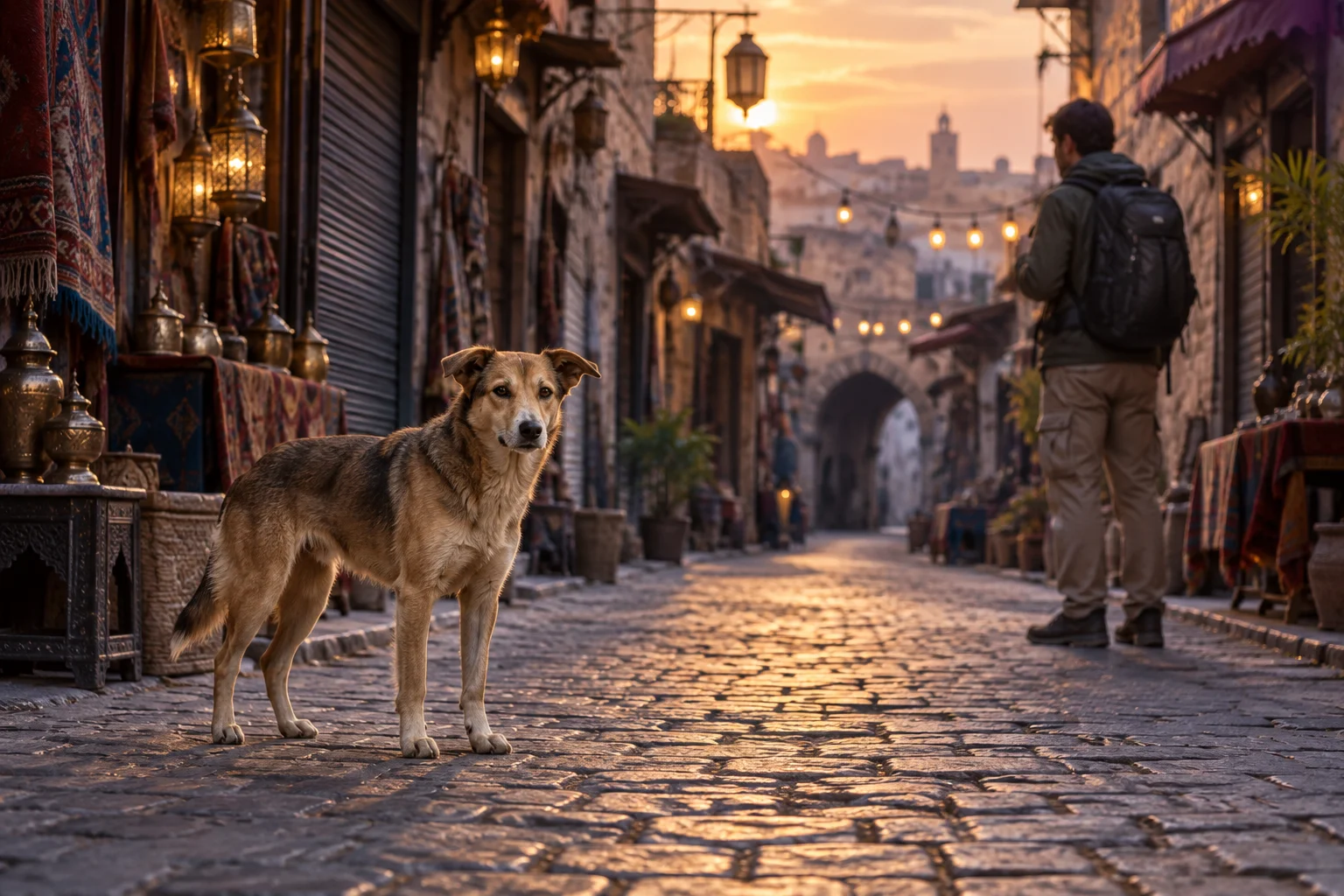
If you are bitten by an animal overseas, starting the rabies vaccine quickly, along with proper wound care, is what actually prevents rabies, a disease that is almost always fatal once symptoms begin. Here is what to do if you are exposed, and how our Travel Clinic can help you sort out your exposure risk once you're home.
By TravelBug Health Team, Travel Health Specialists
What to Do Immediately After an Animal Bite Abroad
Wash the wound immediately vigorously with soap and copious running water for at least 15 minutes. This single important step lowers your risk of infection and rabies more than anything else you do afterward. If you have an iodine or alcohol based antiseptic, apply it once the wound is clean, but do not bandage the wound tightly closed. Then seek medical attention as soon as possible, ideally the same day, since promptly starting treatment matters more than which country you happen to be in. Try to remember the animal's appearance and behavior, since since it may influence your healthcare professional's risk assessment of your rabies exposure.
How Soon You Need the Rabies Vaccine After a Bite
There is no single universal countdown clock, but earlier is always better. Post-exposure prophylaxis, or PEP, works by building your immune response before the rabies virus can travel from the wound site to the central nervous system, which for most bites, takes days to weeks. The US Centers for Disease Control and Prevention (CDC) and other health agencies around the world recommend starting treatment as soon as possible after an exposure, without delay.
Travelers often ask how long after a bite they can still start the rabies vaccine series and get full protection, and the answer is that treatment is recommended regardless of the time that has elapsed since the rabies exposure, because the incubation period varies widely depending on wound location and severity. The bottom line is that even delayed post exposure treatment still has real value.
Is It Too Late to Be Treated Days After a Bite?
No single cutoff makes treatment pointless. If several days or even weeks have passed since a bite from a potentially rabid animal, the CDC still recommends starting the full post-exposure series rather than assuming it's too late. The only scenario where treatment can be skipped is when the animal has already been confirmed rabies free, either after observation or testing by local health authorities.
What the Rabies Post-Exposure Treatment Schedule Involves
Post-exposure rabies treatment begins only after wound care is complete and your risk has been assessed. Once you and your healthcare professional confirm treatment is warranted, it follows a standard structure: thorough wound care, human rabies immune globulin when indicated, and a series of rabies vaccine doses, usually given over about two weeks.
How Many Doses of the Rabies Vaccine You Need
For most travelers who have not previously completed a pre-exposure rabies vaccine series, the US CDC recommends four doses, with the rabies vaccine administered on days 0, 3, 7, and 14. The vaccine dosing schedule is important since the series is designed to build protective antibody levels before the incubation period ends. People with a weakened immune system may need an additional fifth dose around day 28, based on your health history. it is important to note that many different treatment schedules exist around the world, but they are all valid and depend on the country where you are treated.
If You Already Completed the Pre-Exposure Series
If you already had the pre-exposure rabies vaccine series (two doses given on days 0 and 7 per current ACIP guidance), a new exposure still requires prompt attention, just a shorter version of it. The CDC recommends two booster doses, on day 0 and day 3, and in this scenario, human rabies immune globulin is not needed at all. A pre-exposure series is worth discussing before a high-risk trip, since it removes the need for post exposure immune globulin, which may be unavailable or difficult to find in some countries.
Do You Also Need Rabies Immune Globulin?
Yes, for anyone who has not completed a pre-exposure series. Human rabies immune globulin (HRIG) is given once, on day 0, along with the first dose of rabies vaccine. Whenever possible, a healthcare professional infiltrates as much of the HRIG as anatomically feasible directly into and around the wound itself where the antibodies can most effectively neutralize any rabies virus present. Timing of HRIG is also important; it must be administered within 7 days of exposure. HRIG is usually much harder to find than the rabies vaccine in some lower resource countries, often requiring travel to a larger center when a smaller or rural clinic cannot supply it.
Any Mammal Can Transmit Rabies, Not Just Dogs
Dogs cause a large majority of human rabies deaths worldwide, but any warm-blooded mammal can carry and transmit the rabies virus, and travelers are frequently bitten or scratched by animals they assume are harmless. Cats, monkeys at temple complexes or tourist sites, bats, and free-roaming dogs near markets or beaches are the most common sources reported by travelers, and a scratch or lick to broken skin can transmit the virus the same as a bite does. Monkey bites and scratches are common enough at popular sightseeing destinations that they are treated with the same urgency as a dog bite. If your itinerary includes an extended stay, remote fieldwork, caving, or regular animal contact, a pre-travel consultation can review whether pre-exposure protection through Vaccinations fits your risk before you leave, since it simplifies the treatment you would need after any future exposure.
Getting Treated Abroad: Access, Cost, and Side Effects
Finding Treatment in a Foreign Country
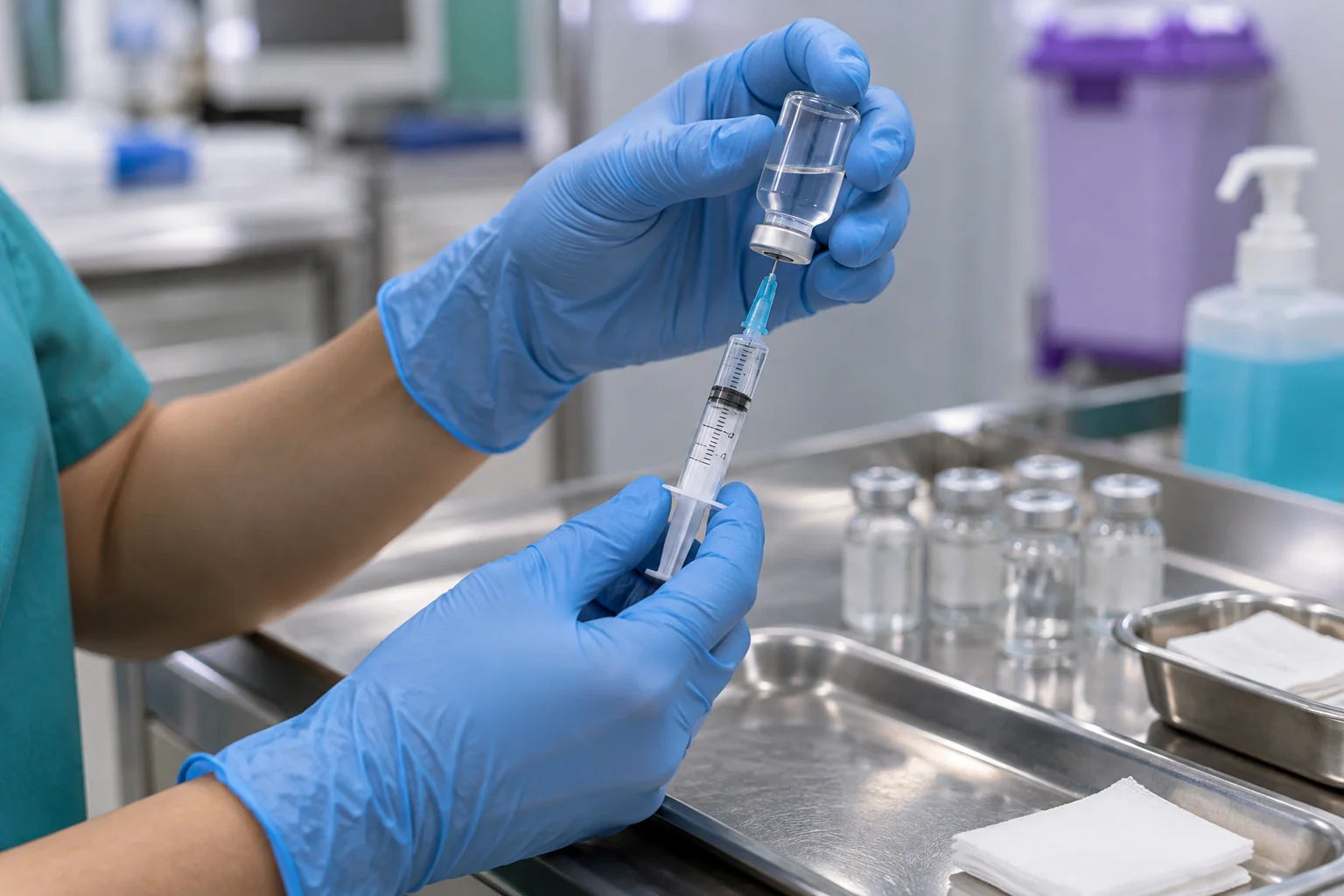
Hospitals in larger cities and capitals are generally your most reliable option for both the rabies vaccine and rabies immune globulin, since rural clinics and small-town pharmacies may not stock HRIG at all. Many countries have dedicated travel or rabies clinics, and your hotel, the nearest US embassy or consulate, or a travel-assistance line through your travel insurer can usually point you to one quickly.
What Rabies Treatment Costs Abroad
The cost of rabies post-exposure treatment varies widely by country and by facility; there's no reliable single number to quote, since HRIG in particular can be expensive and is sometimes billed separately from the vaccine doses. Rabies vaccine and treatment, if available, is usually less expensive in countries outside the US and may even be covered by the country's public health care system. Whether you can get reimbursed by your health insurance for treatment outside the country varies by plan, so check with your insurer before you go.
Side Effects of the Rabies Vaccine
Modern rabies vaccines are far better tolerated than older regimens, and serious side effects are rare. Some people may notice soreness, redness, or mild swelling at the injection site, and some report a low-grade fever, headache, or muscle aches for a day or two. Because the vaccine is inactivated rather than live, it cannot cause rabies, and it remains highly effective when the full series is completed on schedule. HRIG can occasionally cause soreness at the infiltration site or a mild fever, but severe reactions are uncommon.
The Risk of Rabies Exposure in Arizona
The same urgency for treatment after an exposure still applies even if you're not traveling outside of Arizona. Bats are the most common source of rabies in Arizona. Any encounter with a bat, even if a bite or scratch is not obvious, is considered a high risk for rabies exposure. Rabies is also present in raccoons, foxes, coyotes and other mid-size mammals like coatis. Interestingly, in Arizona, rabies is not found in domestic dogs.
If you're bitten or scratched by a wild or unfamiliar animal here at home, we recommend you immediately contact the Maricopa County Health Department at (602) 506-6767. An experienced epidemiologist is available 24 hours a day to advise you whether you need to be treated with a post-exposure rabies vaccine.
Frequently Asked Questions
What happens if you don't get treated after a possible rabies exposure? Once symptoms of rabies appear, the disease is almost always fatal. Human rabies has no cure once it reaches the central nervous system, which is why post-exposure prophylaxis (PEP) exists to stop the virus from advancing. Any bite from an unknown or wild animal is treated as a possible exposure needing evaluation, even when the wound looks minor or the animal didn't appear sick.
Is rabies always fatal once symptoms start? Yes. Once a person develops symptoms of rabies, there is no treatment for the disease itself, only supportive care, and the outcome is fatal in essentially every case. That is why post-exposure prophylaxis matters: it works during the window before symptoms appear.
Can the rabies vaccine be given during pregnancy or to children? Yes. Pregnancy and young age are not reasons to delay or skip post-exposure treatment, since the risk of an untreated rabies exposure far outweighs any theoretical risk from the vaccine or immune globulin. Your healthcare professional will still review your health history and medications, but pregnancy or a child's age should never postpone starting the series.
What if you can't identify the animal that bit you? If the animal cannot be captured and observed, or tested, most healthcare professionals treat the bite as a possible rabies exposure and recommend starting the full post-exposure series rather than waiting. Local health authorities can help assess regional rabies risk for that species and location.
Prepare for Your Next Trip at Our Scottsdale Travel Clinic
Whether you want a pre-exposure rabies vaccine series before your next trip or just a clear plan for handling a bite abroad, Schedule an Appointment with our team, or find hours and directions at our Scottsdale Travel Clinic page.
