

Travelers' diarrhea (TD) is the most common travel-related illness, striking many international travelers who visit high-risk destinations. It's usually caused by contaminated food or water, not bad luck, and most cases resolve within a few days. A quick visit to our Travel Clinic before departure can help you avoid it altogether.
By TravelBug Health Team, Travel Health Specialists
What Is Travelers' Diarrhea and What Causes It?
Travelers' diarrhea (TD) is the clinical shorthand for loose, watery stools that start during or shortly after international travel, commonly described as three or more loose bowel movements in a 24-hour period. The CDC Yellow Book classifies it by how much it actually disrupts your trip, mild, moderate or severe, rather than by a stool count alone. The CDC's Yellow Book, the agency's definitive guide for international travel health, describes it as the most common travel-related illness, with the highest risk in Mexico, Central America, South and Southeast Asia, and the Middle East and Africa, including East Africa.
Most diarrhea-causing infections are bacterial, although viruses, and less commonly parasites, can also be responsible. Bacteria including E. coli and Campylobacter account for the majority of infections, entering your system through undercooked meat or seafood, unwashed produce, or water that hasn't been properly treated. Once the infection takes hold, you may notice cramping, urgent trips to the bathroom, nausea, vomiting, and sometimes a mild fever on top of the watery diarrhea itself.
Your risk increases as your itinerary shifts away from hotel dining rooms and bottled beverages toward street food, rural areas, or destinations with less reliable water treatment. Even experienced travelers are not immune to food-borne infections, since the bacteria and viruses responsible are often in food that looks, smells, and tastes completely normal.
How Can You Prevent Travelers' Diarrhea When Traveling Abroad?
Prevention mainly comes down to keeping germs from contaminated food, water, or hands out of your mouth. This means not only avoiding foods that may be contaminated, but frequently washing your hands, especially before eating and after using the toilet. Soap and water remain the most effective way to clean your hands, but alcohol-based hand sanitizer is better than nothing when a sink isn't available.
Scheduling a pre-travel consultation at least 6 to 8 weeks before departure gives your specialist time to review your itinerary and discuss strategies to prevent travelers' diarrhea, along with other health risks specific to your destination.
Your travel clinic visit will also include a review of your Vaccinations. Hepatitis A and typhoid are two common travel-related infections also spread through contaminated food and water, much like many of the infections that cause travelers' diarrhea. These diseases are more common in countries where the risk of travelers' diarrhea is already high because of poor sanitation and infrastructure.
Fortunately, both hepatitis A and typhoid can be prevented with vaccines available at your travel clinic. Your travel health specialist will discuss whether these vaccines are appropriate for your trip as part of a complete strategy to help keep food- and waterborne illness from spoiling your travels.
What Foods and Drinks Should You Avoid to Prevent Travelers' Diarrhea?
Regarding water, my simplest advice for all travelers to high-risk countries is: "If it comes out of a tap, it doesn't go in your mouth," even in the most luxurious accommodations. Stick to bottled water, or water you've boiled or treated yourself, and avoid ice cubes unless you know they were made from purified water. Also, don't forget to brush your teeth and rinse your mouth only with bottled or treated water.
Choose fruits and vegetables you can peel yourself, like bananas and oranges. Be careful with fresh produce, especially salads, and raw foods in general, since these are more likely to have been rinsed with untreated water or handled by someone who didn't properly wash their hands.
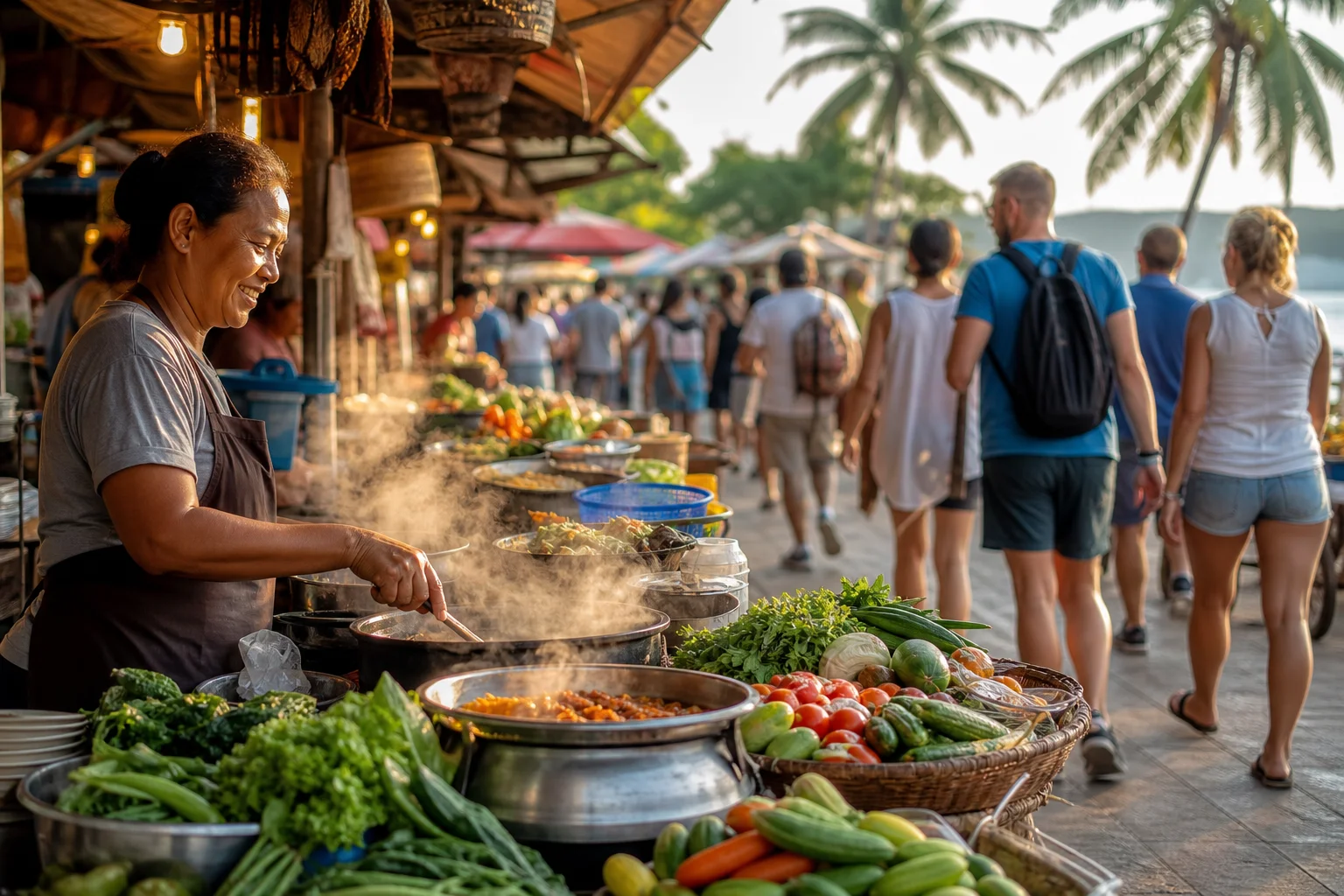
Street food requires more cautious attention, but isn't automatically off-limits. Food that is well cooked to order in front of you and served hot is usually considered safe. Be wary of food that has been sitting out or from a vendor with less-than-ideal hygiene practices. If you want the variety of a buffet, try to arrive when it first opens, before food has been repeatedly handled, returned to serving dishes, or exposed to flies.
My pro tip, which I learned in Asia, is that I have no hesitation waiting in line with the locals at a busy hole-in-the-wall street shop, because 1) the local people usually know who serves the best food, and 2) the ingredients are often fresh, the food is prepared in front of you and usually turned around quickly.
As a rule, most hot beverages, including coffee, tea or chai, are safe because they are boiled as part of preparation. Anything you purchase in a store that is sealed or processed, like commercial bottled water, soft drinks, beer or packaged juices, is safe to drink because of the manufacturing process.
Do Probiotics Help Prevent Travelers' Diarrhea?
Some research suggests that certain probiotic strains, taken before and during travel, may reduce the risk of travelers' diarrhea, although the evidence remains inconsistent. Probiotics are not a substitute for food and water precautions. We generally view them as a relatively harmless, possibly helpful add-on rather than a primary defense.
How Do You Treat Travelers' Diarrhea Once It Starts?
Staying hydrated is always important to monitor when you travel, but becomes even more important if you develop traveler's diarrhea. Diarrhea can quickly deplete your body of fluids and electrolytes, and the process is accelerated if accompanied by vomiting. For most mild diarrhea in an otherwise healthy adult, drinking as much water as you can, or adding low-osmolality sports drinks, is usually enough to get you by until the symptoms resolve.
A good general way to tell if you are hydrated is by the color of your urine and the frequency of urination. Having mostly clear urine and peeing at least every few hours is a good sign that you are probably well hydrated. If your urine is very dark or you haven't urinated for several hours, this could be a sign of more severe dehydration. Other symptoms of more severe dehydration include very dry mouth and tongue, lightheadedness when getting up quickly, or a faster heart rate.
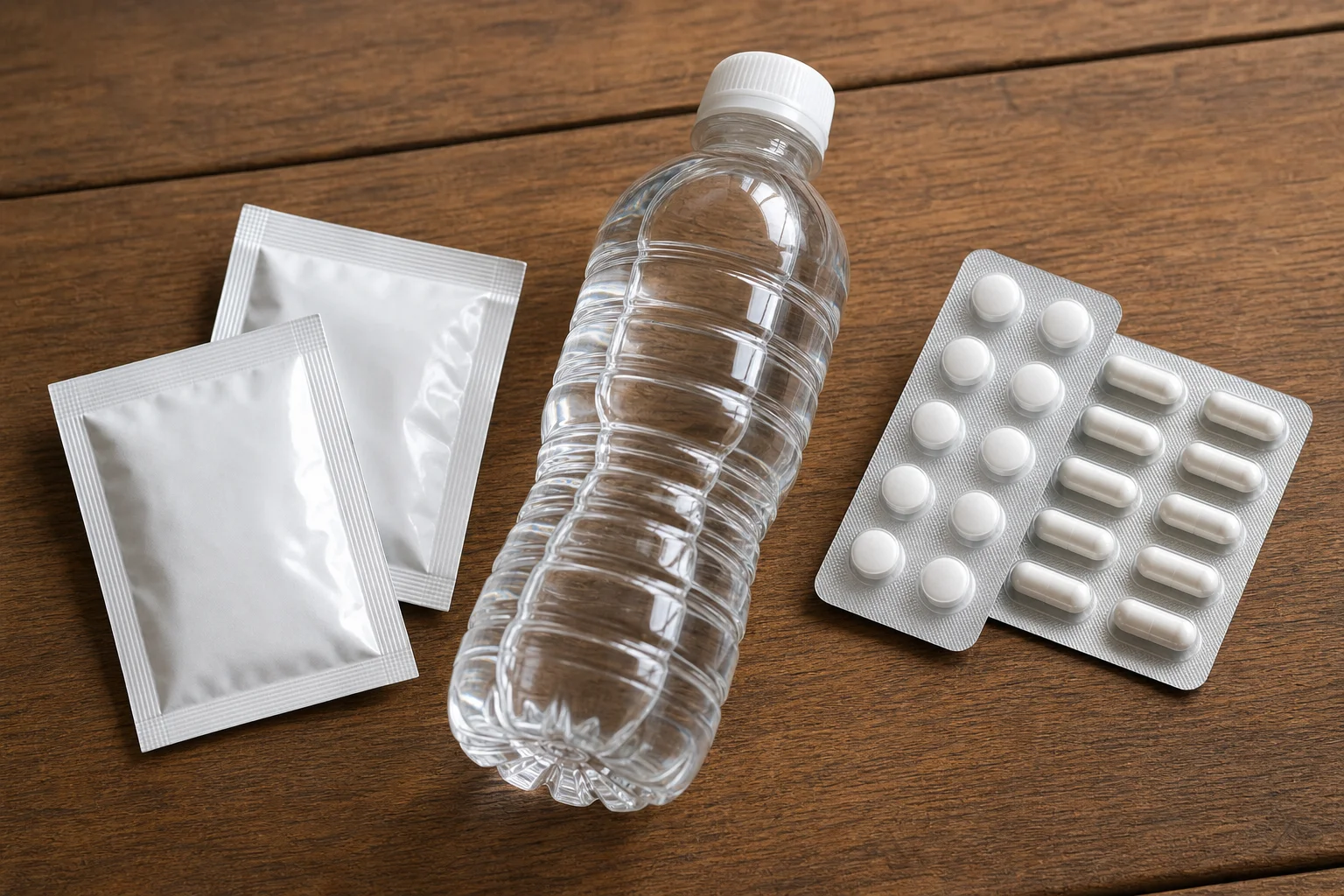
You can quickly add an oral rehydration solution (ORS) if your diarrhea is frequent or watery, accompanied by vomiting (which makes it harder to keep down fluids), or you are having symptoms of more severe dehydration. Some people may find the taste unpleasant, but ORS are better than water alone at replacing lost electrolytes. A packet of WHO (World Health Organization) standard ORS powder can be added to plain water. Pedialyte® liquid is one recognized brand that can be found in many pharmacies and works well for both children and adults. Infants and young children are at increased risk of getting quickly dehydrated and should be monitored especially closely with a low threshold for seeking medical care.
Current guidelines recommend resuming your normal diet as tolerated. Modern medical knowledge no longer supports the traditional BRAT diet (bananas, rice, applesauce and toast). Broths and soups are both good recovery items, since they are easy on the gut and help to replace both fluids and salts. Avoid drinks with high sugar content (like concentrated juices or soft drinks), alcohol and caffeine, all of which can make the diarrhea worse.
What Medications Work Best for Travelers' Diarrhea?
Loperamide (Imodium®) is an over-the-counter medication that is very effective at reducing the severity and duration of diarrhea symptoms. For travelers to high-risk countries, I call it the "don't leave home without it" item for your travel medical kit. For most cases of mild diarrhea in healthy adults, along with oral rehydration, the symptomatic use of loperamide is usually adequate.
If diarrhea persists for more than 24 hours despite several doses of loperamide, it can be helpful to start a course of antibiotics prescribed by your travel health consultant. The current standard for treatment of TD around the world is azithromycin. Antibiotics are often overused and can cause side effects, so they should only be taken on the advice of a medical professional. Carrying a prescribed course may be useful when traveling somewhere with limited access to pharmacies or medical care, but it is not a substitute for medical evaluation.
As a rule, any diarrhea or abdominal symptoms that are accompanied by blood in the stool, a high fever or severe pain (other than common diarrhea cramps) could indicate a more severe infection or condition and should not be self-treated. Instead, seek immediate evaluation at a medical center.
Bismuth subsalicylate (Pepto-Bismol®) in the chewable tablet form can ease nausea and cramping and can offer modest protection when taken preventively, though it requires frequent dosing and isn't ideal for travelers on blood thinners or with aspirin sensitivities.
How Long Does Travelers' Diarrhea Usually Last, and When Should You See a Doctor?
Most cases of routine TD will eventually run their course without medication and symptoms often resolve within a few days. Having to stay close to a toilet can still be very unpleasant and inconvenient, especially in an unfamiliar place or if you are traveling by bus, train or plane. Don't wait to try some loperamide and don't let dehydration get ahead of you. Even after the acute diarrhea settles down, your gut can remain irritated and take several days or even weeks to return to "feeling normal."
That said, some situations call for prompt medical attention rather than waiting it out. See a medical provider while you're still abroad if you develop a high fever, notice blood in your stool, can't keep fluids down, show signs of dehydration like a dry mouth or dizziness, or if symptoms haven't improved after several days. These could indicate a more serious infection or condition and should not be self-treated.
If diarrhea does not respond to antibiotics, persists for weeks or months, or continues after you have returned home from your trip, it could have another cause, such as a protozoal parasite. This is when you should follow up with your doctor, who may consider further tests.
If you're managing a chronic condition like inflammatory bowel disease, symptoms that would be minor for another traveler can escalate, so it's worth reaching out to a specialist sooner rather than later. The same caution applies to young children, older travelers, and anyone who's pregnant, since dehydration sets in more quickly for these groups.
Frequently Asked Questions
Is travelers' diarrhea contagious? Generally, it isn't transmitted person-to-person the way a cold is, since it usually comes from contaminated food or water rather than close contact. The bacteria and viruses responsible can spread through poor hand hygiene, particularly in group settings like cruises or tour groups, so washing your hands remains a smart habit, especially if someone else in your group is sick.
Can you get travelers' diarrhea from ice cubes or tap water?
Yes. Ice cubes are often made from the same tap water that causes travelers' diarrhea, so freezing doesn't make it safe. In destinations where tap water carries risk, stick to bottled or treated water, skip ice unless you know its source, and use bottled water even for brushing your teeth.
Do probiotics help prevent travelers' diarrhea? Some studies suggest specific probiotic strains may reduce risk when started before travel and continued throughout the trip, though the evidence is mixed and probiotics work best alongside, not instead of, careful food and water choices. Ask your specialist whether adding one fits your itinerary.
Is it safe to fly or keep traveling with travelers' diarrhea?
Mild cases usually don't prevent flying or continuing your trip, as long as you can stay hydrated and aren't running a high fever. If you're dehydrated, feverish, or notice blood in your stool, it's best to delay travel and get evaluated, since long transit days and airplane cabins make dehydration harder to manage.
Should you take Imodium or Pepto-Bismol for travelers' diarrhea? Loperamide (Imodium) can help healthy adults manage routine diarrhea (without fever or blood in the stool), while bismuth subsalicylate (Pepto-Bismol) can ease nausea and cramping. Both can help with symptoms but are not a substitute for a prompt medical evaluation for more serious symptoms like high fever or bloody stools.
Plan Ahead for a Healthier Trip
Travelers' diarrhea is fairly common in international travelers, but a little preparation goes a long way toward keeping your trip on track. Schedule an Appointment with our Scottsdale Travel Clinic team before you go, and we'll help you build a prevention and treatment plan suited to your destination and health risks.
