

When you plan an international trip, you may first think about yellow fever or typhoid shots. But overlooking the routine vaccines adults forget before traveling (like MMR, Tdap, Polio and Influenza) can leave Arizona travelers exposed to diseases that may be more common abroad. Our Travel Clinic reviews your full immunization history, not just the travel vaccines, before you fly.
By TravelBug Health Team, Travel Health Specialists
Many travelers walking into a pre-trip consult already know they need a yellow fever certificate for Kenya or a typhoid vaccine for India. What most people easily overlook is that their everyday, childhood-era shots may need updating or may not have been completed. Measles cases have climbed in the United States in recent years, and public health officials consistently trace many of them back to unvaccinated or under-vaccinated travelers returning from abroad. The CDC recommends that every international traveler have their routine vaccines reviewed, not only the destination-specific ones, before departure.
This matters because routine vaccines protect against diseases that are still common, and sometimes actively circulating, in many countries adults visit for work, mission trips, or vacation. A booster that takes five minutes at our Scottsdale clinic can close a gap that developed over decades.
Why Routine Immunity Fades Before You Board a Flight
Childhood vaccination records get lost, immunity wanes, and vaccine schedules change over the years. Someone vaccinated in elementary school may not realize their protection against pertussis or tetanus has faded. Many travelers may remember more recent shots like the flu vaccine, yet they overlook far older vaccines like MMR and polio that may not have been touched in twenty or thirty years.
Your travel specialist can review your vaccination history, compare it against current CDC guidance for your destination, and flag anything that's due. If you want a preview of what that visit actually looks like, we've broken down the full visit walkthrough from check-in to checkout.
MMR: Measles, Mumps, and Rubella Protection for Adult Travelers
Measles is one of the most contagious diseases known, and is still circulating in parts of Europe, Asia, and Africa that Arizona travelers visit every year. The MMR vaccine (measles, mumps, and rubella) requires two doses, spaced at least 28 days apart, for adults who don't already have documented immunity.
If you were born in 1957 or later and can't find records showing two MMR doses or a prior case of measles, mumps, or rubella, your specialist may recommend starting or completing the series before you travel. This is especially true for young adults, since college-age travelers and study-abroad students are a group the CDC flags as under-vaccinated more often than the general population. If that describes your household, we've put together a study-abroad vaccine checklist that breaks down exactly what a semester abroad requires.

Tdap: Tetanus, Diphtheria, and Pertussis Boosters
The Tdap is an effective vaccine that protects against 3 separate diseases. Tetanus doesn't care where you are in the world, a scrape from a boat dock in Belize or a fall on cobblestone in Portugal carries the same risk as one at home. The last Tdap vaccine that children in the US receive as part of the routine childhood vaccine schedule is given at age 11 or 12. The CDC recommends adults get a Td or Tdap booster every 5 to 10 years, sooner (closer to 5 years) if you have a wound at risk of tetanus. We generally recommend getting a Tdap instead of just a Td, since it also protects against pertussis (whooping cough), which is very contagious and is responsible for frequent outbreaks around the world, including in North America. The pertussis protection in the vaccine wears off after only 2 to 4 years, so you should consider a Tdap booster if it has been close to or more than 5 years since your last one.
Diphtheria is rare in the United States but still appears in regions with lower routine vaccination coverage, and is especially dangerous for children. If you're also due for destination-specific vaccines, your specialist can administer everything in the same visit rather than making you schedule separate appointments for each one, and will let you know if any doses need to be spaced apart.
Polio: The Vaccine Many Adults Assume They Already Have Covered
Polio feels like a disease of the past to a lot of adults, and in the United States, it largely is. But poliovirus is still transmitted in a handful of countries, especially in Africa, and outbreaks have occurred in areas that haven't reported cases in years. Poliovirus has even been detected recently in wastewater in several Western European countries, including England and Germany. If you completed your childhood polio series, the CDC recommends a single, one-time adult booster before travel to a country with active or recent transmission; you don't need to restart the whole series.
How to Make Sure Your Routine Vaccines Are Up to Date
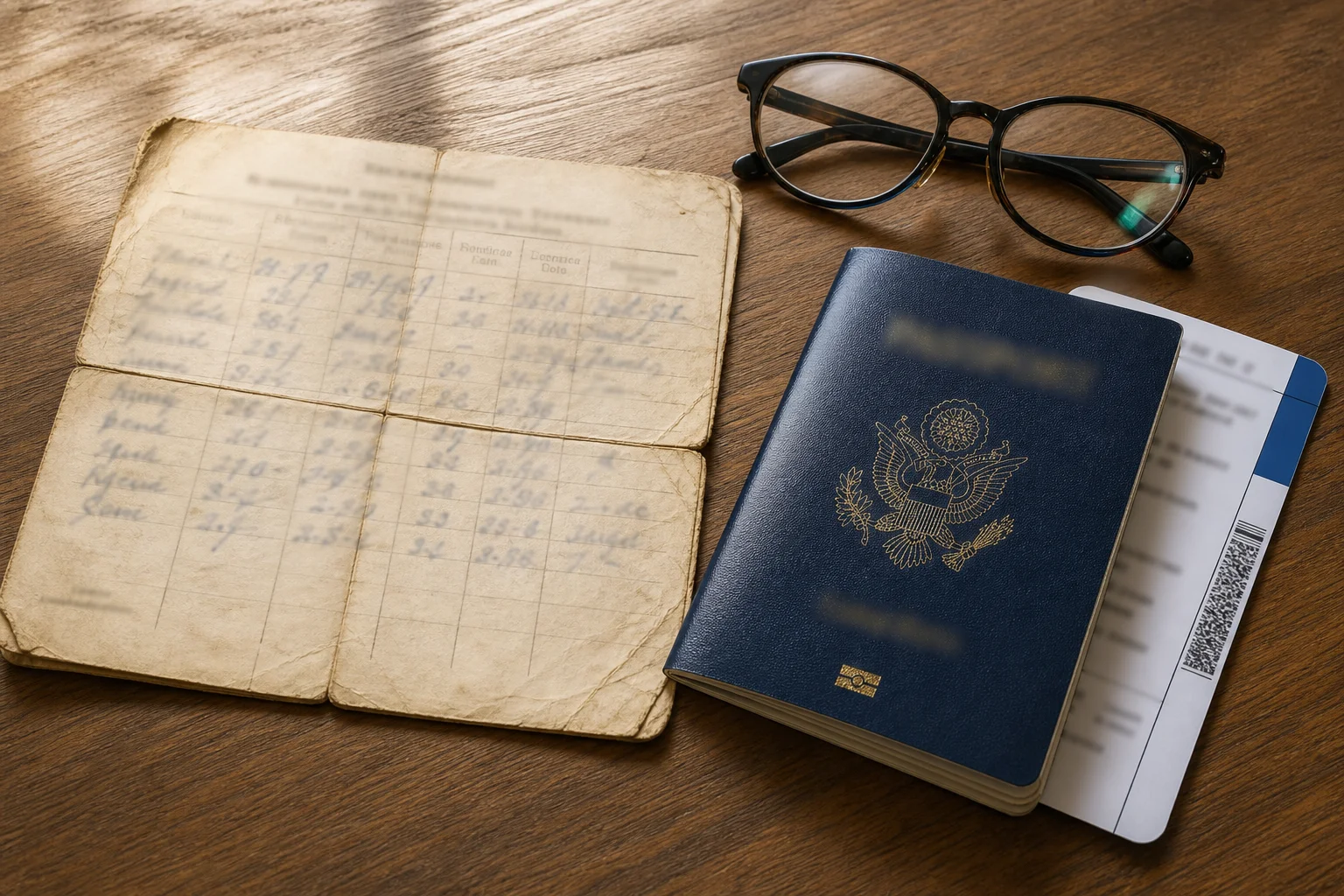
Old paper immunization records, a pediatrician's office that closed years ago, a move across states, all of these make it easy to lose track of what vaccine you've actually had. Rather than guessing, bring whatever records you have, even partial ones, with you to your appointment. We review vaccine records every day, and we can usually decipher them even when they are old and tattered or written in another language. If you are an adult with incomplete immunization records, as is often the case, your immunity from a few vaccines (like MMR and hepatitis A and B) can also be checked by ordering antibody titer levels, a simple blood test.
Influenza
Influenza vaccines are often overlooked when travelers think about overseas travel risks. Yet influenza remains one of the most common vaccine preventable diseases in the world. We generally recommend that all travelers be up to date with the latest flu shot. The stress of international travel on our immune systems, and being among crowds in public places or on public transit, makes it even more likely for travelers to get sick during the respiratory season. Being vaccinated helps prevent the hassle of getting sick on your trip and also protects your family and other travelers.
Hepatitis A and Hepatitis B
Hepatitis A and Hepatitis B can be considered routine vaccines, since they are included as part of the routine immunization schedule for all children here in the US. These vaccines were only introduced for general use in the 1980s and 1990s, so most adults never received them growing up. Your travel health consultant will review with you why these vaccines are important and make sure you are safely prepared for your trip.
Our Vaccinations team is very experienced and efficient at reviewing vaccination records and determining what vaccines you may be missing for your travel. Make sure you get both your routine vaccines and travel vaccines checked months before departure when possible, to allow time for your immune system to build protection and also allow enough time to complete any multi-dose series.
Frequently Asked Questions
Do I really need routine vaccines if I already had them as a kid?
Possibly. Some routine vaccines, like Tdap, are boosted on a schedule (every 5 to 10 years) because immunity fades, and Tdap also protects against pertussis (whooping cough), not tetanus alone. Others, like MMR, may need a second dose if your childhood records only show one. Your specialist reviews your actual history rather than assuming coverage based on age alone.
How far ahead of my trip should I schedule a check?
At least 6 weeks before departure is ideal (the CDC recommends 6 to 8 weeks), since some vaccines, like MMR, involve multiple doses spaced weeks apart. If you're closer to your travel date, a visit is still worthwhile, some protection is better than none, and your specialist can prioritize what matters most for your itinerary.
Can my travel clinic access my vaccine records?
In some cases, yes. Your specialist can check state immunization registries and coordinate with prior providers. When records genuinely can't be located, they may recommend either a booster dose or a titer test to confirm existing immunity before you travel.
Does TravelBug Health handle vaccines required for visa paperwork?
We complete the medical documentation many international visa applications request as part of your visit. Bring any forms your embassy or program has provided so your specialist can fill them out alongside your vaccine review.
Make Sure Your Routine Vaccines Are Covered Before You Fly
Routine vaccines adults forget before traveling (MMR, Tdap, Polio) are some of the easiest gaps to close, and one visit can cover both your routine boosters and your destination-specific travel vaccines. Schedule an Appointment at our Scottsdale clinic to get a full review before your next trip.
